Noboribetsu Onsen is one of the easiest hot spring towns in Hokkaido to enjoy on a first trip—if you know a few simple “how it works” details ahead of time. This guide focuses on practical decisions (day trip vs overnight), what to bring, how to move around smoothly, and how to avoid the most common first-timer stress points.
Quick Answer: The simplest first-time plan
- Best low-stress choice: Stay 1 night in the onsen town, arrive mid-afternoon, walk the valley area before dinner, soak at night and again in the morning.
- If you only have one day: Go early, do a short walk, then use a day-use bath at a large hotel (or a private bath if you prefer more privacy).
- What first-timers usually underestimate: how slippery paths can be (especially in wet or snowy weather) and how long it takes to feel truly relaxed if you rush.
Related guide: Prefer more privacy? Private Onsen vs Public Onsen: Which Is Better for Foreign Visitors?.
First-Time Visitor Essentials
What to bring and wear (simple packing list)
- Easy-on shoes with grip: Paths can be damp, icy, or gritty from geothermal steam.
- Small towel: Many places provide towels, but having a small one is handy for footbaths and quick drying.
- Plastic bag: For wet towels or socks after a footbath.
- Layers: The town can feel cool even when the steam makes the valley look “warm.”
- Cash + card: Large hotels usually accept cards; smaller shops may be cash-friendly. Payment rules can change, so plan for both.
- Hair tie: If you have long hair, tying it up makes bathing easier.
- Optional: A small coin pouch (useful if lockers or vending machines take coins).
Onsen etiquette for beginners (the calm, no-drama version)
- Wash first: Rinse and wash your body at the shower stations before entering the bath.
- No swimwear in public baths: Most public baths are used without swimwear.
- Keep your towel out of the water: Use it to cover while walking, then place it on the side or on your head.
- Quiet voices: Think “spa library,” not “pool.”
- Take it slow: If the water feels too hot, try a cooler bath or soak for shorter periods.
- Dry off before the changing room: A quick towel-dry helps keep floors safe and comfortable for everyone.
Related guide: For broader cultural do’s and don’ts, see Japanese Etiquette for Tourists: What Foreign Visitors Should Know (Stress-Free Guide).
Common mistakes to avoid
- Arriving too late for a day trip: You’ll feel rushed and may miss your preferred bath time or buses.
- Wearing smooth-soled shoes: The #1 comfort issue on valley walks.
- Overplanning the “perfect loop”: Weather can change quickly; build in flexibility.
- Assuming every hotel offers day-use: Some do, some don’t, and hours can vary—check the current policy before you go.
- Forgetting dinner timing: If you book a meal plan, there’s often a set dinner window. Arrive early enough to settle in.
Day Trip or Overnight Stay? (How to choose without regret)
Which option fits your schedule
| Option | Best for | Pros | Trade-offs |
|---|---|---|---|
| Day trip | Tight itineraries, Sapporo-based travelers | Lower cost, no luggage logistics | Less relaxing, more time watching the clock |
| 1 night | Most first-time visitors | Two soaks (night + morning), easier pace, evening atmosphere | Costs more, requires booking |
| 2 nights | Slow travel, families, seniors | Weather buffer, more rest, optional side trips | May feel long if you want constant sightseeing |
Sample 1-day itinerary (low-stress)
- Morning: Travel in, arrive late morning to early afternoon.
- Early afternoon: Short walk in the valley area (choose a route that matches the weather).
- Mid afternoon: Day-use bath at a hotel (or book a private bath if available).
- Late afternoon: Snack, souvenir browsing, then head back before it feels rushed.
Sample 1-night itinerary (best first-timer balance)
- Day 1 (mid-afternoon arrival): Check in, quick town stroll, valley walk before dinner.
- Evening: Dinner, then a relaxed soak.
- Day 2 (morning): Early bath, breakfast, then a footbath or short walk before departure.
Related guide: If you’re considering a traditional inn, this makes booking much simpler: How to Book a Ryokan in Japan Without Getting Confused: A Calm, Step-by-Step Guide for First-Timers.
How to Get There Without Stress
Most first-time visitors approach Noboribetsu from Sapporo or New Chitose Airport. Transit schedules and routes can change seasonally, so confirm the latest times on official railway and bus websites before travel.
From Sapporo (typical approach)
- Train-first plan: Take a train toward the Noboribetsu area, then transfer to a local bus or taxi for the onsen town.
- Bus-first plan: Some travelers prefer highway buses for fewer transfers. This can be convenient with luggage, but timing is more fixed.
From New Chitose Airport (typical approach)
- Most straightforward: Airport to the nearest major station by train, then continue toward the Noboribetsu area and transfer to the onsen town.
- When arriving late: Consider staying near the airport or in Sapporo and going the next morning to avoid a stressful evening transfer.
Related guide: General arrival logistics (especially helpful after a long flight): What to Do After Landing in Japan: A Simple Arrival Guide for First-Time Visitors.
From the nearest train station to the hot spring area
- Local bus: The standard method. Expect a short ride up to the onsen town. Have small cash ready just in case.
- Taxi: Easiest with large luggage or for families/seniors, but costs more.
- Hotel shuttle (if offered): Some hotels run shuttles at set times. Seats may be limited, so check your hotel’s current details.
How to ride local buses smoothly (first-timer friendly)
- Boarding: Many regional buses board from the rear and exit from the front, but rules vary—follow signage and the driver’s cues.
- Payment: Some routes pay when exiting. Keep coins or a transport card if accepted.
- Stops: Watch the onboard display and listen for stop announcements. When in doubt, show the driver your destination name on your phone.
Related guide: Helpful tools for navigation and transit: Japan Travel Apps You Should Download Before Your Trip (First-Timer List).
Best Time to Visit (and how to avoid crowds)
Best arrival time for first-timers
- Overnight stay: Arrive mid-afternoon so you can check in calmly, walk before dinner, and still have time for an evening soak.
- Day trip: Arrive earlier than you think you need. It’s more relaxing to soak first and walk after (or vice versa) without racing the last bus.
Seasonal highlights (what to expect)
- Spring: Cool air + steam can feel dramatic; paths may be wet.
- Summer: Easier walking conditions, but popular travel season can mean more visitors.
- Autumn: Comfortable temperatures for walking; a great balance for first-timers.
- Winter: Beautiful atmosphere, but snow and ice change everything—plan for slower walking and earlier sunsets.
Weather and snow considerations (practical tips)
- Footing comes first: Choose traction over style. Consider slip-on spikes if you’re visiting in icy months.
- Shorten your walking loop: In snow or rain, pick the most straightforward paths and skip anything that feels sketchy.
- Build a “warm-up break” into your plan: Café stop, hotel lobby, or a quick soak can reset your comfort level.
- Check closures: Trails and viewpoints can close temporarily for safety or maintenance.
Where to Stay (simple choices that work well for first-timers)
Ryokan vs hotel: what’s easier?
- Ryokan-style stay: Great if you want a traditional meal plan and a “everything is taken care of” feeling. Dinner timing and house rules can be stricter.
- Hotel-style stay: Often more flexible with dining times and room types, sometimes easier if you prefer Western-style beds.
Related guide: If you’re new to Japan hotels in general, this helps you book with confidence: Japan Hotel Guide for First-Time Visitors: What to Know Before Booking.
Best area for first-time visitors
- Stay in the onsen town center if you want to walk to evening sights, shops, and trailheads without relying on transport.
- Stay closer to your preferred bath experience if your main goal is soaking (especially if you want to minimize walking in winter).
Booking tips that prevent surprises
- Confirm what your plan includes: Breakfast only vs breakfast + dinner makes a big difference in evening logistics.
- Check check-in deadlines: Some meal plans require arrival by a certain time.
- Look for luggage-friendly access: If you’re arriving by bus, see how far the walk is from the stop.
- Ask about private bath options: If you’re unsure about public bathing, private options can be a great bridge.
What to Do Beyond the Valley Area (easy add-ons)
You don’t need a packed schedule here. One or two add-ons is usually plenty—especially if your main goal is to soak and unwind.
Scenic hot spring pond area and a footbath
- Why it’s worth it: It’s a relaxing “something to do” that doesn’t require a full hike.
- How to enjoy it: Bring a small towel, roll up pants carefully, and plan extra time to dry off and put socks back on.
Bear park (decide based on your interest)
- Good fit for: Families looking for a structured activity.
- Before you go: Check current operating hours, access (ropeway or other transport), and whether it matches your travel style.
Evening stroll in the onsen town
- Best moment: After check-in and before dinner, or after dinner if you’re comfortable walking in low light.
- Winter note: Keep it short and stick to well-lit sidewalks—ice can form quickly.
Food and Practical Services (what first-timers ask on the ground)
Vegetarian / flexible dining notes
- Meal plans: Traditional set dinners can be difficult to customize last-minute. If you have dietary preferences, contact your accommodation in advance and keep expectations flexible.
- Simple backup plan: Identify one or two casual spots and a convenience store option so you’re not stressed if plans change.
Payment, luggage, and convenience stores
- Payment: Cards are widely used in many places, but carrying some cash is still practical in smaller towns.
- Luggage: If you’re day-tripping, ask about lockers at stations or luggage storage at your hotel (policies vary).
- Connectivity: Having mobile data makes bus stops, hotel messages, and maps much easier.
Related guide: Staying connected without hassle: Best eSIM for Japan: What First-Time Visitors Should Know (2026).
Checklist: Your “no-stress” Noboribetsu plan
- Choose day trip vs overnight (overnight is easiest for relaxation).
- Confirm current train/bus times and the last return option.
- Pack grippy shoes and layers.
- Decide your bath style: public or private.
- If you booked dinner, arrive with time to spare.
- Have cash + card and a small towel.
Related guide: If this is your first Japan trip overall, this will prevent a lot of small surprises: First Time in Japan? 15 Things to Know Before You Go (Stress-Free Tips).
FAQ (first-time visitor questions)
Is Noboribetsu Onsen tattoo-friendly?
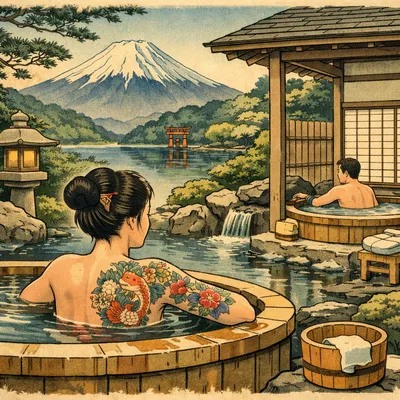
Policies vary by facility and can change. Some places allow tattoos, some ask for coverage, and some do not allow them in public baths. If this matters for your trip, check the specific property’s current policy before booking.
Can I visit Noboribetsu Onsen if I’m nervous about public bathing?
Yes. Consider booking a room with a private bath, reserving a private bath session (if offered), or choosing a property that clearly explains the bathing process in English. Going at a quieter time can also help.
Do I need special gear for winter?
You don’t need anything extreme, but you do need traction and warmth: insulated shoes or boots with grip, warm socks, gloves, and a hat. Plan shorter walks and leave extra time for transport delays in snowy periods.
Is one night enough?
For most first-time visitors, yes. One night gives you two chances to soak and a much calmer pace than a day trip. If you want a slower trip or you’re visiting in winter, two nights can be more comfortable.
Should I book accommodation far in advance?
For weekends, peak foliage periods, and holiday seasons, booking earlier usually gives you better choices. For quieter periods, you may have more flexibility—but it’s still wise to confirm current availability and cancellation terms.