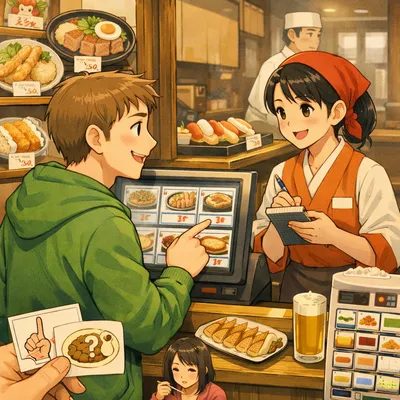
Japan is an amazing place to visit. But let’s be honest. The “Am I doing something rude?” feeling can follow you around, especially on your first trip.
You don’t need perfect manners. You just need a few high-impact basics that keep things smooth in trains, restaurants, temples, and hotels.
Here’s the reassuring part. Japanese etiquette is less about memorizing a thousand rules and more about one big idea: don’t make life harder for the people around you. Once you understand that, everything gets simpler.
This guide focuses on the real situations where many first-time visitors get stuck. Shoes. Quiet trains. Chopsticks. Photos. Onsen rules. And yes, tipping (or rather… not tipping).
Quick Answer

Japanese etiquette for tourists is mainly about being considerate in shared spaces.
Keep your voice low on public transport, line up neatly, and avoid phone calls on trains.
Take shoes off when required, follow local rules at temples and onsen, and be careful with photos.
And remember: tipping is generally not expected in Japan.
Who This Guide Is For
This is for you if you’re:
- A first-time visitor to Japan who’s worried about making mistakes
- Traveling without Japanese language skills
- Using trains and subways (and feeling slightly intimidated)
- Staying in a hotel, ryokan, or trying an onsen
- Visiting temples and shrines and not sure what to do
- Traveling with family and trying to keep things calm
The One Idea That Explains Most Japanese Etiquette
Here’s the thing. In many countries, manners are about being “polite.” In Japan, manners are often about being predictable and low-impact in public.
You’ll see it everywhere: people queue neatly, keep to one side on escalators (it varies by city), and avoid loud calls on trains.
If you remember one thing, remember this: When you’re unsure, choose the option that takes up less space, less noise, and less attention.
Stress-Free Tip: When you enter a new place (train, shop, temple), pause for two seconds and copy the “local volume level” and “local pace.” It works surprisingly well.
Shoes: Where You Must Take Them Off (and How Not to Panic)
Shoe etiquette is one of the biggest “oops” moments for visitors. Totally understandable. In many places, you never remove shoes. In Japan, you often do.
Common places you remove shoes
You’ll typically remove shoes in:
- Homes (at the entryway)
- Many ryokan (traditional inns)
- Some restaurants (especially with tatami seating)
- Some temples, historic buildings, and castles (indoor areas)
How to tell (without reading Japanese)
Look for these clues:
- A step up at the entrance (shoes stay below)
- Shoe shelves or lots of shoes lined up
- Provided slippers
- Staff gesturing toward your feet (yes, it happens!)
Slippers and tatami: the tiny trap
Slippers are for hallways and some indoor areas. But tatami mats (woven straw flooring) are special.
Tiny warning: in many places, you do not wear slippers on tatami. You leave slippers at the edge and step onto tatami in socks or bare feet.
Stress-Free Tip: Wear socks without holes. Sounds dramatic? Maybe. But it helps when shoes come off unexpectedly.
Public Transport Etiquette: Trains, Subways, and Shinkansen
Japan’s trains are incredible. They’re also where visitors worry the most about “being that tourist.” Good news: the rules are simple, and they’re mostly about noise and space.
Keep it quiet (especially phone calls)
On trains and Shinkansen, people usually speak softly. Phone calls are generally avoided, and phones are kept on silent (often called “manner mode”).
If you need to take a call, step off the train if you can.
Stress-Free Tip: Before boarding, set your phone to silent and use earbuds at a low volume. You’ll blend in fast.
Backpacks and luggage: don’t block the flow
A common situation: you’re standing in a crowded carriage with a backpack and a suitcase, and suddenly you feel like you’re taking up 30% of Tokyo.
Try this:
- Wear your backpack on your front in crowded trains
- Keep suitcases in front of you, not in the aisle
- On Shinkansen, use overhead racks for smaller bags
For oversized luggage rules on certain Shinkansen lines, policies can change, so check the latest official information before you go.
Stress-Free Tip: If you’re traveling with big luggage, avoid rush hour when possible. Your future self will say thank you.
Queueing and boarding
People line up on platform markings and board in order. Cutting in line is one of the fastest ways to create tension.
If you’re confused, stand near the side and watch for 10 seconds. You’ll see the pattern.
Stress-Free Tip: If you’re unsure where the line starts, ask station staff or simply follow behind the last person waiting in the marked area.
Eating and Restaurant Manners (Without Overthinking It)
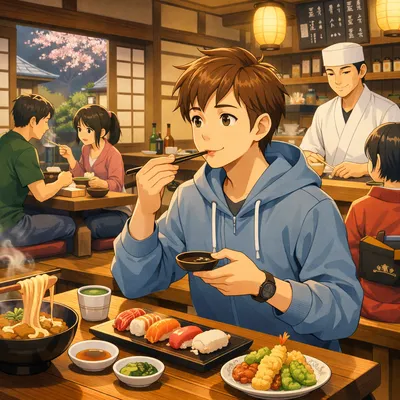
Restaurant etiquette in Japan can feel intimidating because it looks “formal.” But you can do great with a few basics.
Before you eat: the simple rhythm
Many people say a short phrase before eating and another after the meal. You don’t have to say anything, but a smile and a calm “thank you” goes a long way.
What matters more is how you treat the space and the staff.
Stress-Free Tip: Put your bag under your chair or in a basket if provided. Keeping walkways clear is quietly appreciated.
Chopsticks: the big “don’ts” tourists actually need
You don’t need perfect chopstick skills. Forks and spoons are common, and many restaurants can provide them.
But there are a few chopstick behaviors that are best avoided:
- Don’t stick chopsticks upright in a bowl of rice
- Don’t pass food directly from chopsticks to chopsticks
- Don’t spear food like a skewer (try to pinch instead)
Sharing food? In many cases, people use the opposite end of their chopsticks or serving utensils if provided.
Stress-Free Tip: If you drop chopsticks, don’t stress. Ask for a new pair. Staff are used to it.
Eating while walking: depends on the place
In busy city areas, eating while walking is often discouraged because it creates mess and slows foot traffic.
That said, in some street food areas and festival-style spots, you’ll see people eating nearby. The key is to eat beside the stall or in a designated area if one exists.
Stress-Free Tip: If you buy street food, look around for a bin, standing table, or a small “eat here” space. If you don’t see one, step to the side and finish quickly.
No Tipping in Japan (Yes, Really)
This one surprises many visitors. In Japan, tipping is generally not part of the culture in restaurants, hotels, or taxis.
In some cases, trying to tip can create confusion, because staff may think you forgot your change.
If you want to show appreciation, the best options are:
- A sincere “thank you”
- Returning change correctly if you were given too much
- Leaving the space tidy (especially in casual places)
Stress-Free Tip: If you’re unsure whether a service charge is included, check the receipt. But don’t feel pressure to add extra cash.
Photo Etiquette: How to Avoid Awkward Moments
Japan is extremely photogenic. But photo manners are a real friction point lately, and official tourism guidance continues to emphasize consideration around photography and public behavior.
People are not props
It can be tempting to photograph someone in traditional clothing, a performer, or staff in a themed café.
But it’s safer to assume you need permission for close-up shots of individuals.
If you want a photo, ask first. If they hesitate, smile and move on.
Stress-Free Tip: A simple “Photo OK?” plus pointing to your camera works surprisingly well, even without Japanese.
Watch for “no photo” signs
Temples, shrines, museums, shops, and some streets may have areas where photography is restricted.
Tiny warning: even if photos are allowed, flash may not be. And tripods can be blocked in crowded places.
Stress-Free Tip: When in doubt, don’t shoot first. Look for signage or ask staff. It saves you from a tense moment.
Temple and Shrine Etiquette: Simple, Calm, and Respectful
Many first-time visitors worry they’ll do the “wrong” ritual. Don’t worry. You can be respectful without knowing every detail.
What matters most: quiet and flow
Religious sites are not just tourist spots. People come to pray.
So the basics are:
- Keep your voice low
- Don’t block pathways or entrances
- Follow posted signs and staff instructions
Purification areas and offering areas
You may see a water basin area and an offering box area. Some visitors participate, some don’t.
If you do participate, watch what others do and keep it simple. If you don’t, that’s okay too—just stand aside so others can pass.
Stress-Free Tip: If you’re confused, step to the side and observe for 20 seconds. Copying the general flow is enough.
Onsen and Public Baths: The Rules Are Different Here
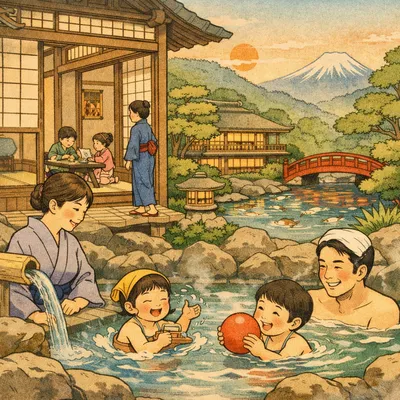
Onsen (hot spring baths) and sento (public baths) are wonderful, but they come with their own etiquette. This is where many visitors feel nervous.
You don’t need to be perfect. You just need to know the core rules.
The non-negotiables
- Wash your body thoroughly before entering the bath
- No swimsuits in traditional onsen or sento
- Keep your towel out of the bath water
- Keep voices low and don’t splash
Tattoos: check in advance
Tattoo policies vary by facility. Some allow tattoos, some require coverage, and some do not permit them.
This changes by location and business, so check the latest official or facility information before you go.
Stress-Free Tip: If you’re unsure about rules, look for posted diagrams in the changing area. Many baths use picture-based instructions that are very visitor-friendly.
Hotel and Ryokan Etiquette: Small Habits That Make Stays Easier
Hotels are straightforward. Ryokan can feel more “ceremonial,” but the same idea applies: be considerate and follow the property’s guidance.
Keep noise low in hallways
Japanese accommodations often have quieter hallways than you may be used to.
Late-night hallway conversations can travel more than you expect.
Stress-Free Tip: If you’re traveling with kids, do the “snack and bathroom” routine before heading back to your room at night. Fewer hallway emergencies.
Room slippers and bathroom slippers
Some places have separate slippers for the bathroom.
Yes, it sounds fussy. But it’s usually clearly labeled or placed right at the bathroom entrance.
Stress-Free Tip: If you see a second pair of slippers near the toilet, that’s your clue. Swap in, swap out.
Public Behavior Basics: Volume, Space, and PDA
Official tourism guidance often highlights public behavior topics like volume, waiting manners, and being mindful of others in shared spaces.
Voice volume: aim for “indoor library,” not “sports bar”
Japan isn’t silent, but it’s generally quieter in trains, shops, and even busy streets.
If you’re excited (and you will be), just keep the volume a notch lower than usual.
Stress-Free Tip: If you’re traveling with friends, save the big story-time for a park bench or a café, not the train.
Smoking rules: follow the designated areas
In many cities, smoking is restricted to designated areas. You might see smoking rooms or marked smoking spots.
Rules vary by city and venue, so check local signage.
Stress-Free Tip: If you smoke, plan “smoke stops” like bathroom stops. It reduces stress and keeps you from searching randomly.
Masks: more situational now
Mask-wearing in Japan has shifted toward situational use. You may still see many people wearing masks, especially in crowded places or when they feel unwell.
It’s usually best to follow the room: if most people are masked in a tight space, masking is a considerate choice.
Stress-Free Tip: Keep one clean mask in your day bag. You may not need it, but it’s nice to have.
Common Mistakes (Totally Understandable, but Avoid These If You Can)
Let’s make this easy. These are the classic first-timer slip-ups that can cause awkward moments.
- Talking loudly on trains because you’re excited or confused
- Taking phone calls inside the carriage
- Standing in the wrong place and blocking train doors with luggage
- Wearing slippers onto tatami (it happens a lot)
- Assuming tipping is expected and confusing staff
- Taking close-up photos of strangers without permission
- Skipping the wash before entering an onsen bath
Don’t beat yourself up if you do one of these. A quick apology, a smile, and adjusting your behavior is usually enough.
Stress-Free Tip: Learn one simple phrase in English you can use anywhere: “Sorry!” said kindly and paired with stepping aside. It solves more problems than you’d think.
Recommended Options (Only If They Reduce Stress)
eSIM or Pocket WiFi (so you can check rules and signs fast)
Best for:
Travelers who want reliable maps, translation apps, train platform info, and quick searches for local rules (like tattoo policies or photo restrictions).
Not ideal for:
People with carrier-locked phones (for eSIM), or groups who split up often (a single pocket WiFi can be annoying if one person walks away with it).
My honest take:
Having internet removes a lot of etiquette stress, because you can quietly check what to do instead of guessing. If you like independence, set this up before you land.
Luggage delivery (so you’re not wrestling suitcases on trains)
Best for:
Visitors moving between cities (Tokyo to Kyoto, etc.), families, or anyone with large suitcases who wants a calmer travel day.
Not ideal for:
Very tight budgets, or travelers who need their bag immediately on arrival.
My honest take:
This can be a game-changer for etiquette and comfort. Less luggage on crowded trains means fewer awkward moments and a much easier station experience. Just confirm timing and cut-off rules with your hotel, because they can vary.
Airport transfer or limousine bus (for a quieter first day)
Best for:
First-time visitors arriving tired, travelers with heavy luggage, and anyone nervous about navigating big stations right away.
Not ideal for:
People arriving very late at night when services may be limited (check the latest official schedules before you go).
My honest take:
If train navigation feels overwhelming on day one, a direct bus or transfer can help you start your trip calmly. It’s not “more correct,” it’s just less stressful.
Stress-Free Checklist
- Set your phone to silent before boarding trains
- Plan around rush hour if you have large luggage
- Wear easy-off shoes and clean socks
- Keep a small bag for trash (bins can be limited)
- Assume tipping is not needed unless clearly stated
- Ask before close-up photos of people
- Check onsen tattoo policies before you go
- Carry one mask for crowded situations
- Pause and observe local behavior for 10–20 seconds when unsure
FAQ
Do I have to bow in Japan?
No. A small nod and a polite attitude are enough. People don’t expect tourists to bow perfectly.
Is it rude to eat on trains in Japan?
On local commuter trains, people often avoid eating. On Shinkansen, eating is common. When in doubt, keep it tidy and low-smell.
What should I do if I make a mistake?
Don’t panic. Step aside, lower your voice, or correct the behavior. A quick, calm apology usually resets the situation.
Can I take photos at temples and shrines?
Often yes, but some areas are restricted. Look for signs and follow staff guidance. When unsure, ask or skip the shot.
Do I need to wear a mask everywhere in Japan?
Usually not. Mask use is often situational now. If a place is crowded or most people are masked, wearing one is a considerate choice.
Final Thoughts
Japanese etiquette can sound like a long list. But in real life, it’s mostly one skill: noticing the people around you and choosing the considerate option.
You don’t need to be perfect. You just need to be prepared.
Learn the shoe moments, keep trains quiet, line up calmly, be thoughtful with photos, and follow onsen rules. That’s enough to travel confidently—and actually enjoy Japan instead of second-guessing yourself all day.