You can plan the perfect Japan itinerary… and still end up stressed because of one thing: your bag.
Let’s be honest. Packing for Japan sounds easy until you picture yourself dragging a huge suitcase up station stairs, sweating in the wrong outfit, or realizing your “normal” cold medicine might not be okay to bring.
Don’t worry. You don’t need to pack perfectly. You just need to avoid a few common mistakes that trip up many first-time visitors.
In this guide, you’ll learn what not to pack for Japan (and what to bring instead), so you can move around more easily, blend in comfortably, and avoid awkward or risky surprises.
Quick Answer

Most packing stress in Japan comes from too much luggage, the wrong shoes, and items that are unnecessary (or restricted).
Avoid oversized suitcases, hard-to-remove footwear, overly revealing outfits for city sightseeing, high-power appliances, and any medication you haven’t checked carefully.
Japan is great for buying basics locally, so packing lighter is usually the calmer choice.
Who This Guide Is For
This is for you if you’re:
- A first-time visitor to Japan who wants to avoid rookie mistakes
- Nervous about getting around stations, airports, and crowded sidewalks with luggage
- Not confident in Japanese and want fewer “problem-solving moments” on the go
- Worried about manners (especially shoes, clothing, and public spaces)
- Traveling with family, or anyone who gets tired easily
- Trying to pack efficiently for multiple cities (Tokyo, Kyoto, Osaka, etc.)
What Not to Pack for Japan (and What to Do Instead)
1) An oversized, heavy suitcase (especially the big clamshell type)
This is where many first-time visitors get stuck. Japan has amazing trains, but stations can involve long walks, stairs, narrow passages, and busy platforms.
A huge hard suitcase that opens in two halves (the clamshell style) can be extra annoying in small hotel rooms, too. You open it and suddenly your room becomes… suitcase.
Many travelers find it easier to bring one manageable suitcase + a small day bag rather than a “full armor set” of luggage.
What to do instead
- Choose a suitcase size you can lift up a few steps without help
- Pack mix-and-match outfits so you can rewear items
- Plan laundry: many hotels have coin laundry, and laundromats are common in cities
- Use station coin lockers when you arrive early or leave late (availability varies by station)
Stress-Free Tip: If you’re changing hotels a lot, consider using luggage delivery (often called takkyubin) so you can travel hands-free for a day. Services and rules can vary, so check your hotel or a major delivery company’s latest guidance.
2) Too many “just in case” outfits
I know, it sounds responsible to pack for every possible scenario. But Japan rewards light packing.
You may find yourself walking 15,000–25,000 steps in a day, popping into small cafés, squeezing onto trains, and navigating stations. Extra clothing becomes extra weight, extra bulk, and extra decision fatigue.
What to do instead
- Pick a simple color palette so everything matches
- Bring fewer tops and plan to rewear (very normal while traveling)
- Pack one “nicer” outfit for a special dinner, and keep the rest practical
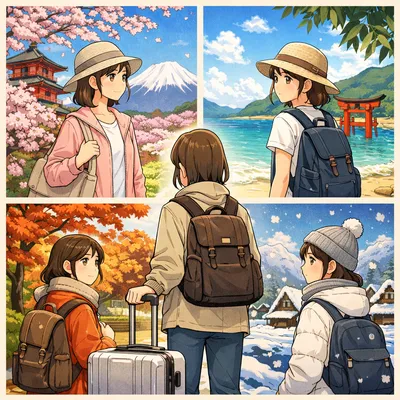
- Bring layers rather than heavy single items (weather can change quickly)
Stress-Free Tip: If you remember one thing, remember this: your comfort matters more than outfit variety. You’ll enjoy Japan more when you’re not hauling a wardrobe.
3) Clothing that feels “fine at home” but stands out in Japanese cities
Japan has all styles, and nobody expects you to dress like a local. But many travelers say they feel more comfortable when they avoid outfits that draw extra attention.
In many cases, very revealing tops (deep necklines, spaghetti straps, tube tops, crop tops) can feel out of place for everyday city sightseeing. Leggings as streetwear are also less common outside gym situations, according to many travel guides and visitor observations.
This isn’t about strict rules. It’s about reducing the chance you feel stared at when you’re already tired and navigating a new country.
What to do instead (easy swaps)
- Lightweight long sleeves or 3/4 sleeves (great for sun and indoor A/C)
- A thin cardigan or overshirt you can throw on quickly
- Wide-leg pants or longer skirts for comfort on trains and temples
- Breathable fabrics for humid seasons
Stress-Free Tip: Pack one “coverage layer” (a cardigan, linen shirt, or light jacket). It solves a surprising number of problems: sun, chill trains, and “I feel a bit exposed” moments.
4) Flip-flops, open-toe shoes, and shoes that are a pain to take off
Here’s the thing: Japan involves a lot of walking. And also… a lot of shoe removal.
You’ll take shoes off in many places, such as some traditional restaurants, certain fitting rooms, temples/shrines areas, and especially at ryokan (traditional inns). If your shoes take forever to remove, every entrance becomes a tiny stressful performance.
Many travel sources also suggest that flip-flops and very casual “slipper-looking” footwear can feel out of place for city walking, and open-toe shoes can be less practical in crowded areas.
What to do instead
- Bring one pair of comfortable sneakers you can walk all day in
- Consider a second pair that’s easy on/easy off (but still supportive)
- Pack socks you don’t mind showing (you’ll be removing shoes!)
Stress-Free Tip: Try your “Japan walking shoes” on a long day at home first. If they hurt at 8,000 steps, they will not magically feel better at 20,000.
5) High-power appliances (and bulky electronics you won’t use)
Many visitors pack hair dryers, curling tools, and other high-power devices… then discover they’re heavy, annoying, or simply not compatible.
Japan’s voltage and plug types can differ from your home country. Some appliances may not work properly, and some can overheat. Also, many hotels provide hair dryers already, especially business hotels and larger chains.
Tiny warning: Battery-powered or cordless hair tools can have airline restrictions depending on the battery type. Rules can change, so check your airline’s latest guidance before you fly.
What to do instead
- Check your hotel amenities list before packing (often includes a hair dryer)
- Bring a small universal adapter if needed (confirm your plug type)
- If you must bring a device, verify it supports Japan’s voltage range
Stress-Free Tip: If your item is heavy and only solves a “maybe problem,” leave it. Japan has plenty of drugstores and variety shops for basics if you need something.
6) Medications and supplements you haven’t checked for Japan rules
This one is important, so let’s slow down for a second.
Some medications that are common in the US, Canada, Australia, and Europe can be restricted or prohibited in Japan. Travelers are often surprised by this, especially with certain ADHD medications, products containing codeine, and some stimulant-related ingredients. THC products are also a major red flag.
Rules and procedures can change, and the details depend on the exact ingredient and amount. So it is generally recommended that you check the latest official information before you go, especially if you take prescription medication.
What to do instead
- Make a list of every medication and supplement you plan to bring
- Check ingredients (not just brand names)
- Bring meds in original packaging when possible
- Consider carrying a doctor’s note in English for prescription medications
- If a permit or advance procedure is required, start early
Stress-Free Tip: Don’t pack a giant “pharmacy bag” without checking. When it comes to Japan medication rules, guessing is not a strategy.
7) Full-size toiletries, towels, and “home comfort” items that Japan sells everywhere
Many travelers overpack toiletries because they’re worried they won’t find what they need. Totally understandable.
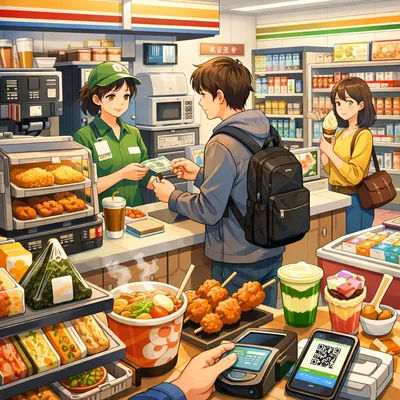
But Japan has excellent drugstores, konbini (convenience stores), and supermarkets. In many cases, you can buy shampoo, sunscreen, toothpaste, basic skincare, and travel-size items easily.
Bulky towels, extra bedding, and big bottles take up space fast. And then you’re stuck wrestling your suitcase zipper like it’s a sports competition.
What to do instead
- Bring small amounts of your “must-have” products only
- Plan to buy the rest locally if needed
- If you’re picky about deodorant or specific skincare, pack that (Japan options vary)
Stress-Free Tip: Pack for the first 2–3 days, not for every day. Once you’re settled, shopping for basics in Japan is straightforward—and kind of fun.
Common Mistakes (Totally Understandable, But Try to Avoid These)
You’re not the only one if you’ve done (or almost done) these!
- Packing for your fantasy self (the version of you who changes outfits three times a day)
- Bringing brand-new shoes and hoping they’ll “break in” during the trip
- Assuming elevators are always easy to find in stations (sometimes they are, sometimes it’s a hunt)
- Overpacking liquids and then struggling with airport rules and leaks
- Carrying everything every day instead of using lockers or leaving items at the hotel
- Not checking medication rules early and realizing it’s complicated right before departure
Sounds dramatic? Maybe. But avoiding these is one of the fastest ways to make Japan feel simpler.
Recommended Options (If You Want an Easier Trip)
Luggage Delivery (takkyubin)
Best for:
Travelers changing cities (Tokyo → Kyoto → Osaka), families, and anyone who doesn’t want to drag a suitcase through stations.
Not ideal for:
Very tight schedules (same-day delivery may not be available), or travelers who need their bag with them at all times.
My honest take:
If you’re carrying a big suitcase, this can be one of the most stress-reducing services in Japan. Just confirm prices, delivery timing, and accepted luggage types with your hotel or the provider, and check the latest details before you use it.
Station Coin Lockers
Best for:
Days when you arrive before check-in, or want to sightsee after check-out.
Not ideal for:
Peak travel days when lockers may be full, or oversized luggage that won’t fit standard locker sizes.
My honest take:
Super practical when it works. Have a backup plan (like leaving luggage at your hotel) in case lockers are full.
Travel-Size Shopping in Japan (Drugstores + konbini)
Best for:
Anyone who wants to pack lighter and buy basics after landing.
Not ideal for:
People with very specific brands or medical-grade skincare needs.
My honest take:
This is the easiest way to avoid overpacking toiletries. If you have “non-negotiable” items, pack those and buy the rest locally.
Stress-Free Checklist
- Choose a suitcase you can lift up a short set of stairs
- Pack one comfortable walking shoe you’ve already tested
- Bring socks you’re happy to wear in public (shoe removal happens!)
- Pack a light layer (cardigan/overshirt) for coverage and A/C
- Plan outfits that mix and match (fewer items, more combinations)
- Check your hotel amenities so you don’t duplicate items like hair dryers
- Review Japan medication rules using the latest official information before departure
- Keep “first day” items easy to access: charger, essentials, one outfit, basic toiletries
- Consider luggage delivery or coin lockers for heavy travel days
FAQ
Do I need to dress “modestly” in Japan?
You don’t need to be perfect. But many travelers feel more comfortable avoiding very revealing tops for everyday city sightseeing. A light layer gives you options.
Are flip-flops okay in Japan?
They can be fine for beaches, pools, or very casual situations. For city walking, many visitors prefer supportive closed-toe shoes because you’ll walk a lot.
Can I bring my prescription medication to Japan?
Often yes, but some medications are restricted. Check the latest official guidance well before your trip, and bring documentation if recommended.
Should I bring a hair dryer or straightener?
Many hotels provide hair dryers. For styling tools, check voltage compatibility and airline battery rules if the device is cordless.
What if I forget something important?
Japan is one of the easier places to replace basics quickly. Drugstores and convenience stores are everywhere in major cities.
Final Thoughts
Packing for Japan doesn’t have to be a stress spiral. The goal isn’t to bring everything. The goal is to move easily, rest well, and enjoy your days without fighting your suitcase.
Skip the heavy “just in case” items, choose shoes you can walk in forever, and be extra careful with medications. That small bit of preparation goes a long way.
Don’t worry. Japan is friendly to travelers. You don’t need perfect packing. You just need a plan that keeps you comfortable and calm.
You may also want to read:
If you plan to stay at a ryokan or use an onsen during your trip, packing light can make the experience much easier. You may also want to read Private Onsen, Family Bath, and Open-Air Bath Rooms in Japan before booking your stay.