Japan has a reputation for being super safe. And honestly, it often feels that way when you’re there.
But here’s the thing. “Safe” doesn’t mean “nothing can go wrong.” Japan has real risks—especially natural disasters, plus a small amount of petty crime in big cities. And for first-time visitors, the biggest stress sometimes isn’t danger at all. It’s confusion. Stations. Crowds. Luggage. “Did I just break a rule?” moments.
This guide is here to calm that noise in your head. You’ll get a realistic picture of safety in Japan, plus simple, practical steps so you can travel confidently—even if you don’t speak Japanese.
Quick Answer

Japan is generally considered one of the safest countries for tourists, with low levels of violent crime.
The most realistic risks for visitors are natural disasters (earthquakes, typhoons, heavy rain), petty theft in crowded areas, and high medical costs if you need treatment without insurance.
With normal travel awareness and a little preparation—apps, insurance, and a plan for crowded transit—most first-time visitors feel comfortable quickly.
Who This Guide Is For
This is for you if you’re:
- A first-time visitor to Japan who wants a realistic safety overview
- Nervous about not speaking Japanese
- Worried about getting lost in airports or major train stations
- Not sure where to stay (and what areas feel comfortable at night)
- Concerned about crowds, luggage, and “doing the wrong thing”
- Traveling solo (especially as a woman) and want calm, practical guidance
So… is Japan actually safe?
In many global comparisons and traveler reports, Japan is often described as one of the safest travel destinations. Government travel advisories from countries like the US and Canada generally allow travel with “normal precautions,” while strongly reminding travelers about earthquakes and severe weather.
That mix is the most realistic summary: low crime risk, higher nature risk.
Don’t worry. You don’t need to become a disaster expert. You just need a simple plan.
Stress-Free Tip: Think “Japan is safe, but I still travel smart.” Keep your valuables secure, and prepare for weather/disaster alerts before you land.
Crime in Japan: low, but not zero
Let’s be honest. Many first-time visitors worry about street crime because they’ve heard Japan is “too safe.” That can make you drop your guard.
Violent crime affecting tourists is generally rare. But petty crime—like pickpocketing and bag snatching—can happen, especially in large cities and crowded places. Canada’s travel advice, for example, notes that crime targeting foreigners is low, but petty crime does occur and may be increasing.
Where petty crime is more likely
It’s not usually the quiet neighborhood street. It’s the obvious places:
- Crowded trains during rush hour
- Busy tourist areas and festivals
- Food courts and cafes (when bags are left on chairs)
- Nightlife areas with heavy drinking
Simple habits that prevent 90% of problems
- Keep your passport and cash on your body (money belt or secure inner pocket)
- Use a bag that zips fully, and wear it in front in crowds
- Don’t leave your phone on the table while you go to the counter or restroom
- Back up important documents (photo of passport, insurance info) in a secure cloud folder
Stress-Free Tip: If you remember one thing, remember this: treat Japan like any big city when it comes to your wallet and phone. You can relax without being careless.
Natural disasters: the “real” safety topic in Japan
This is where many first-time visitors get stuck. They hear “Japan is safe,” then they hear “Japan has earthquakes,” and their brain goes: so which is it?!
Both are true. Japan is well-prepared and information is widely available, but it’s also a country where earthquakes, typhoons, heavy rain, and even volcanic activity can affect travel.
The good news? There are official, foreigner-friendly tools now, including English emergency updates via “Japan Safe Travel Information,” and multilingual alert apps like the Japan Tourism Agency’s Safety tips app. (Always check the latest official information before you go, since services and features can change.)
Earthquakes: what you should do (without panicking)
Earthquakes can happen without warning. Most are small. Some are not.
If you feel shaking indoors, the basic approach is: protect your head, get away from falling objects, and don’t run outside immediately.
- If you’re in a hotel: follow staff instructions and posted evacuation routes
- If you’re on a train: expect it to stop; wait for announcements
- If you’re near the coast and there’s a tsunami warning: move to higher ground quickly
Stress-Free Tip: Before you go to sleep on your first night, take 30 seconds to locate your hotel’s emergency exit map. Sounds dramatic? Maybe. But it helps.
Typhoons and heavy rain: the big travel disruptors
For many travelers, typhoons and heavy rain cause more disruption than earthquakes. Trains can be delayed. Flights can be canceled. Attractions can close.
This isn’t “danger everywhere.” It’s more like: you may need to change plans, stay indoors, or travel earlier than you expected.
- Build a little flexibility into your itinerary (especially in typhoon season)
- Keep one “indoor day” idea ready: museums, department stores, aquariums
- Check official transport updates before heading to the station
Stress-Free Tip: If bad weather is forecast, move long-distance travel (like Shinkansen days) earlier if you can. Waiting until the last minute is where stress multiplies fast.
Volcanic activity and local closures
Japan has active volcanic areas. Sometimes that means certain hiking trails or areas near an onsen town can be restricted if alert levels change.
This is usually well-signposted locally, and official alerts are shared online. Just don’t assume you can “wing it” in volcanic regions.
Stress-Free Tip: If you’re visiting volcanic areas (or hiking), check the latest local advisories the day before. Plans can change quickly.
Solo travelers, women travelers, and nightlife areas
Many travelers report feeling comfortable walking around Japanese cities, even at night, compared to many other destinations. Japan is often described as a good place for solo travel, including for women.
But “generally safe” still comes with a few common-sense rules—especially in nightlife districts.
Nightlife: what to watch for
In areas known for bars and clubs (for example, parts of Shinjuku like Kabukicho), you may see aggressive touts or offers that feel a bit sketchy.
Tiny warning: Avoid following strangers to a bar, especially if pricing is unclear. This is a common risk in nightlife areas in many countries, not just Japan.
- Choose places with clear menus and prices
- If someone pressures you to enter, that’s your cue to walk away
- Stick to well-lit main streets if you’re unsure
Stress-Free Tip: When in doubt, pick a restaurant or bar that looks “boringly normal.” Bright lighting and posted prices are your best friends.
Health, hygiene, and medical costs (the part people forget)
Japan’s hygiene standards are generally high, and tap water is widely considered drinkable. That’s reassuring, right?
Now the less fun part: medical care can be excellent, but it can also be expensive for visitors. Government travel advisories often recommend travel insurance for exactly this reason.
What to prepare before you land
- Bring any regular medications in original packaging
- Carry a simple list of medical conditions and allergies in English
- Consider travel insurance that covers medical care and trip disruption
Stress-Free Tip: Save your insurance policy number and emergency contact in your phone and keep a screenshot offline. Wi-Fi disappears at the worst times, doesn’t it?
Language anxiety: staying safe when you don’t speak Japanese
I know, it sounds confusing. Safety can feel harder when you’re worried you can’t ask for help.
But Japan is one of those places where systems help you out: signage in big cities is often bilingual, and staff in tourist-heavy areas may have basic English. Not always. But often enough.
Smart “no-Japanese” safety moves
- Save your hotel name, address, and phone number in your notes app
- Carry a business card from your hotel (many hotels provide this)
- Use a translation app for quick, simple sentences
- Learn a few key words in romanized form if you like (but you don’t need to be perfect)
Stress-Free Tip: The safest sentence is the simplest one. Short phrases translate better than long emotional explanations when you’re stressed.
Getting lost at stations: not dangerous, but very stressful
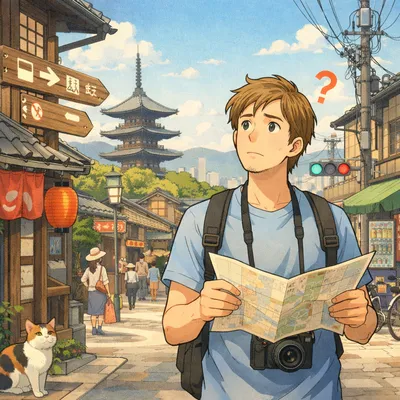
Major stations in Tokyo and Osaka can feel like mini-cities. Getting lost is common. You’re not the only one.
This usually isn’t a safety problem. It’s a “my brain is overheating” problem.
How to avoid the spiral
- Give yourself extra time for transfers
- Follow signs for the line name and platform number, not just the destination
- If you’re stuck, step aside so you’re not blocking foot traffic
- Ask station staff. Pointing at your phone screen is totally fine
Stress-Free Tip: If you feel rushed, you’ll make mistakes. Build “wrong exit time” into your schedule. It’s basically a Japan travel tradition.
Hotel area safety: where you stay affects how calm you feel
Most central hotel areas in major cities are generally safe. The bigger issue is comfort.
A hotel near a major station can make your trip feel 30% easier. Less dragging luggage. Less getting lost. More quick escapes back to your room when you’re tired.
What “safe-feeling” often looks like
- Good lighting at night
- Easy access to a station (but not directly above a noisy nightlife street)
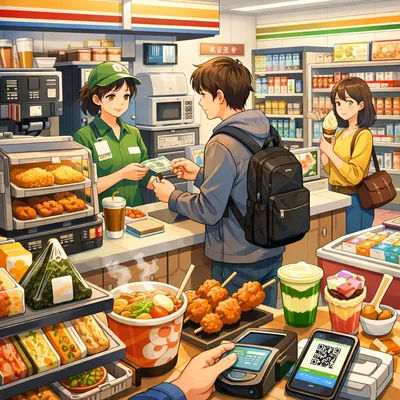
- Convenience stores (konbini) nearby for water, snacks, and “I forgot toothpaste” emergencies
Stress-Free Tip: If you’re a nervous traveler, prioritize convenience over “the coolest neighborhood.” Cool is fun. Convenient is peaceful.
Luggage and crowds: the overlooked safety issue
Big luggage in crowded stations isn’t just annoying. It can make you less aware of your surroundings, more likely to drop something, and more likely to feel overwhelmed.
Japan’s trains are safe, but they can be packed. And when you’re squeezed between commuters, your bag becomes everyone’s problem.
Ways to make luggage days easier
- Avoid rush hour with large suitcases when possible
- Use elevators where available (they can be hidden—look for signs)
- Consider luggage delivery services between hotels (availability and rules vary, so check your hotel’s latest info)
Stress-Free Tip: Plan your “travel between cities” time like you’re planning a mini-event. Because with luggage, it kind of is.
Manners and “micro-trouble”: staying safe by staying polite
This part surprises people. Manners aren’t just about being nice. They can prevent small conflicts.
Most locals won’t confront you. But you may get stares, sighs, or a tense vibe if you’re unintentionally loud or blocking space.
Simple etiquette that keeps things smooth
- Keep your voice low on trains and buses
- Avoid eating and drinking on local trains (long-distance trains are different)
- Don’t tip in most situations; it can create confusion
- Be careful with chopsticks (don’t point them at people; don’t stick them upright in rice)
Stress-Free Tip: If you’re unsure, watch what locals do for 10 seconds. It’s the easiest etiquette guide you’ll ever use.
Common Mistakes
Totally understandable, but these are the patterns that create avoidable stress:
- Assuming “Japan is safe” means you can leave your phone and wallet unattended
- Not downloading any emergency alert app until after something happens
- Planning a minute-by-minute itinerary with no buffer for weather or train delays
- Booking a hotel far from a station to save money, then spending that “saved money” on taxis (and stress)
- Dragging huge luggage through rush hour because you didn’t realize how crowded it gets
Stress-Free Tip: You don’t need to be perfect. You just need to remove the biggest friction points before they happen.
Recommended Options
Travel insurance
Best for:
Anyone who would feel stressed about high medical bills, unexpected clinic visits, or major trip disruptions from weather.
Not ideal for:
Travelers who already have strong coverage through a credit card or existing policy (but check what it actually covers).
My honest take:
Japan is a place where you may never use it. But if you do need it, it can matter a lot. Compare policies carefully and check the latest terms before you buy.
Safety and disaster alert apps (like “Safety tips”)
Best for:
First-time visitors who want reassurance and clear alerts in a language they understand.
Not ideal for:
Anyone who gets anxious from too many notifications. (You can adjust settings.)
My honest take:
It’s a simple prep step that helps you feel more in control. Just remember: always confirm big decisions with the latest official information.
Luggage delivery (hotel-to-hotel)
Best for:
Travelers moving between cities, families with kids, or anyone who doesn’t want to wrestle a suitcase through stations.
Not ideal for:
Very tight schedules (delivery can take time), or travelers who need their bag immediately on arrival.
My honest take:
This can be a game-changer for stress. Ask your hotel what services they can arrange and what the current timelines are.
eSIM or pocket WiFi
Best for:
Anyone who wants reliable maps, translation, and emergency info on the go.
Not ideal for:
Travelers whose phone isn’t eSIM compatible (for eSIM), or those who don’t want to carry/charge an extra device (for pocket WiFi).
My honest take:
Having internet access is a safety tool, not just a convenience. Choose what fits your phone and travel style, and set it up before you arrive if possible.
Stress-Free Checklist
- Download a disaster alert app (and allow emergency notifications)
- Save your hotel name, address, and phone number for offline access
- Keep passport, cash, and cards in a secure, zipped place (especially in crowds)
- Plan airport-to-hotel routing in advance (screenshots help)
- Choose a hotel near a major station for easier navigation
- Avoid rush hour if you’re traveling with large luggage
- Bring travel insurance details and emergency contacts
- Have one flexible “indoor backup day” plan for bad weather
FAQ
Is it safe to walk around Japan at night?
In many areas, yes, and many travelers feel comfortable. Still, use normal precautions, stick to well-lit streets, and be extra careful in nightlife districts.
What’s the biggest safety risk for tourists in Japan?
For many trips, the biggest realistic risk is natural disasters and weather disruption. Petty theft is possible too, especially in crowded city areas.
Do I need to worry about scams in Japan?
Scams are not as common as in some destinations, but nightlife areas can have aggressive touts or unclear pricing. Avoid following strangers into bars.
Is Japan safe if I don’t speak Japanese?
Generally yes. Use maps, translation apps, and saved hotel info. In major tourist areas, you can often get by with simple English and pointing.
Should I download any safety apps before my trip?
It’s generally recommended. Apps like “Safety tips” and official travel safety information sites can help you receive alerts. Check the latest official sources for current options.
Final Thoughts
Japan is generally a very safe destination for tourists, and that’s not just marketing. It’s something many visitors feel day-to-day.
But the realistic approach is best: keep an eye on your valuables, take nightlife areas seriously, and prepare for earthquakes and weather alerts. That’s it.
You don’t need perfect preparation. You just need a few smart steps so you can relax once you arrive. And honestly? That’s when Japan becomes fun instead of overwhelming.