Japan packing can feel weirdly high-stakes, can’t it? You’re picturing crowded train stations, sudden rain, and that moment when you realize you dressed for the wrong temperature. Don’t worry. You’re not the only one. Japan has four clear seasons, but the “gotcha” is the daily temperature swings, the humidity, and how much you’ll be walking.
This guide breaks down what to wear in Japan by season in a simple, calm way. You’ll get practical outfit ideas, a packing checklist, and small tips that help you feel more confident—especially if it’s your first trip and you’re already juggling airports, trains, and “what if I stand out?” nerves.
Quick Answer

Japan is easiest to pack for when you plan around layers, humidity, and rain.
Spring (Mar–May) and fall (Sep–Nov) are all about light layers and a thin jacket.
Summer (Jun–Aug) is hot and humid, so wear breathable fabrics and bring sun + rain protection.
Winter (Dec–Feb) needs real warmth, especially with wind—think insulating layers and a proper coat.
Who This Guide Is For
This is for you if you’re:
- A first-time visitor to Japan who doesn’t want to overpack (or underpack)
- Nervous about not speaking Japanese and just wants fewer problems to solve each day
- Planning long sightseeing days (hello, 20,000 steps) and needs comfortable outfits
- Worried about rain, heat, or “Did I accidentally dress wrong for this place?” moments
- Trying to move luggage through stations without sweating through your shirt
The One Rule That Makes Japan Packing Easier
Here’s the thing: the most reliable strategy is one outfit system you can repeat.
Many first-time visitors pack like every day will be a different photoshoot. Totally understandable. But Japan travel days are often: train, stairs, walking, a warm train platform, a chilly museum, then a windy night street. That’s a lot.
Your simple “Japan outfit system”
- Base layer: T-shirt or light long-sleeve (breathable)
- Mid layer: cardigan, light sweater, or hoodie (easy to remove)
- Outer layer: thin jacket, rain shell, or warm coat (depending on season)
- Bottoms: comfortable pants or jeans you can walk in for hours
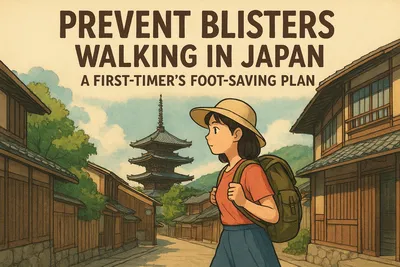
- Shoes: broken-in walking shoes (this matters more than anything)
Stress-Free Tip: If you remember one thing, remember this: pack for temperature changes during the same day, not just the season.
What to Wear in Japan in Spring (March–May)
Spring is beautiful. Also a little sneaky. You may start the day cool, feel warm by lunchtime, then get chilly again after sunset.
Many travel guides consistently recommend layering in spring, and it’s for a good reason. A light jacket you can take on and off is basically your best friend.
Spring outfit ideas (simple and practical)
- Light jacket (denim jacket, light trench, or simple windbreaker)
- Cardigan or thin sweater
- T-shirts + a long-sleeve top for layering
- Jeans or comfortable pants
- Comfortable sneakers or walking shoes
What to pack for spring “surprises”
- A compact umbrella (spring showers happen)
- Light scarf (small item, big comfort when wind hits)
- Socks you can walk in all day (blisters are the real villain)
Stress-Free Tip: Keep your light jacket in your day bag when possible. You’ll use it more than you expect, especially in the evening.
What to Wear in Japan in Early Summer + Rainy Season (June)
June can be warm, and it can also be wet. This is where many first-time visitors get stuck.
You might think, “I’ll just bring a raincoat.” But the real trick is choosing items that won’t feel gross when it’s humid. Many sources recommend quick-drying clothes and easy rain protection for this period.
Rainy season clothing that actually helps
- Breathable tops (cotton or linen blends can feel nicer than heavy synthetics)
- Quick-dry pants or skirts (especially if you’ll be out all day)
- Light rain jacket or compact umbrella
- Comfortable shoes that can handle wet pavement
Tiny warning: Umbrellas are extremely common in Japan. But crowded sidewalks + umbrellas can be a whole thing. If you hate juggling an umbrella, a light rain jacket may feel calmer.
Stress-Free Tip: Pack one “wet weather outfit” you don’t mind repeating. It reduces decision fatigue when the forecast looks messy.
What to Wear in Japan in Summer (July–August)
Let’s be honest. Summer in much of Japan can feel intense. Hot and humid days are common, and you’ll likely be walking a lot—through stations, shopping streets, shrines, and crowded attractions.
Recent travel advice tends to emphasize heat and humidity strategies more than ever: lightweight breathable clothing, sun protection, a small fan, and rain gear.
Summer outfit basics
- T-shirts, breathable tops, or airy blouses
- Light dresses or loose-fitting outfits
- Shorts are fine in many casual areas, but consider your comfort in crowds and temples
- Linen or cotton (popular choices for breathability)
- Sandals can work, but many travelers still prefer sneakers for walking
Summer extras that make a big difference
- Sun hat or cap
- Sunscreen (you can buy it in Japan too, but bringing your preferred brand is easier)
- Portable fan (many travelers find this surprisingly helpful)
- Small towel or sweat wipes (simple, but very Japan-practical)
- Refillable water bottle
“Will I look out of place?” summer edition
You don’t need to be perfect. You just need to be prepared.
In big cities like Tokyo, you’ll see a wide range of styles. The bigger concern is comfort and being respectful in certain places. For temples, shrines, and nicer restaurants, it’s often easier to feel confident in outfits that aren’t extremely revealing.
Stress-Free Tip: If you’re unsure, pack one lightweight “slightly nicer” outfit. Not fancy. Just neat. It’s a confidence booster when plans change.
What to Wear in Japan in Fall (September–November)
Fall is a favorite for many travelers for a reason: it’s generally more comfortable. But early fall can still feel like summer, and late fall can feel surprisingly cool at night.
This is why so many guides repeat the same advice: bring a thin jacket. Yes, again. It’s the Japan packing theme song.
Fall outfit ideas
- Long-sleeve tops and T-shirts for layering
- Light sweater or cardigan
- Light jacket (or a slightly warmer one later in the season)
- Pants or jeans
- Comfortable walking shoes
Easy fall layering combo
A common low-stress combo is: T-shirt + light sweater + thin jacket. You can peel layers off on trains or in warm shops, then put them back on outside.
Stress-Free Tip: Plan for evenings. If you’ll be out for dinner, bring a layer even if the daytime forecast looks mild.
What to Wear in Japan in Winter (December–February)
Winter in Japan varies by region, but overall you should prepare for real cold—especially when wind is involved. Many travel sources recommend layering, heat-retaining innerwear, and hand warmers as winter staples.
Winter clothing basics
- Warm coat (down or insulated coat is common)
- Sweaters or warm mid-layers
- Heat-retaining innerwear (thermal base layers)
- Gloves, scarf, and a hat
- Warm socks
Hand warmers (kairo): small item, big comfort
You’ll often see disposable hand warmers sold in drugstores and convenience stores. They’re called kairo in Japan. You can keep them in your pockets or use adhesive types on outer layers (follow the package instructions).
Stress-Free Tip: If you hate bulky sweaters, use a thermal base layer instead. Warmth without feeling like a marshmallow.
Regional Differences: Tokyo vs Kyoto vs Hokkaido (and Why It Matters)
Japan’s seasons are clear, but the feel changes by region. This is where packing gets tricky if your itinerary jumps around.
Tokyo (and other big cities)
Expect lots of walking and lots of indoor/outdoor temperature changes. Layers help, and breathable fabrics matter in summer.
Kyoto
Kyoto can feel extra hot in summer and extra chilly in winter, especially when you’re walking around open areas and temples. Many travelers find that planning layers carefully here pays off.
Hokkaido and snowy areas
If you’re heading north or into heavy snow regions, you’ll want warmer insulation, waterproof outerwear, and shoes with good grip. Snow and slush are a different game.
Important: Weather can change quickly. Check the latest forecast close to your departure and adjust your packing list. For severe weather alerts, check the latest official information before you go.
Stress-Free Tip: If your trip includes both Tokyo and a colder region, pack one “cold destination kit” (thermal layer + gloves + hat) even if Tokyo looks mild.
Shoes in Japan: The Real Packing Priority
You can survive a slightly imperfect jacket choice. Shoes are less forgiving.
Many guides consistently recommend comfortable, broken-in walking shoes for Japan. And yes, it’s because you’ll walk a lot. Also because stations have stairs, long corridors, and more standing than you expect.
What works well
- Comfortable sneakers you’ve already worn
- Walking shoes with support
- In rainy seasons: water-resistant options help
What often causes pain
- Brand-new shoes (even if they’re cute)
- Thin soles with no support
- Slippery soles in wet weather
Stress-Free Tip: Pack blister patches. You might not need them. But if you do, you’ll feel like a genius.
What About Dress Codes and “Manners” Clothing?
If you’re worried about accidentally offending someone, take a breath. Japan is used to tourists. You’re not going to ruin your trip with a normal outfit.
That said, a few situations can feel smoother with small choices.
Temples, shrines, and traditional areas
There’s usually no strict dress code, but it’s often more comfortable to avoid super revealing outfits. Also, some areas have gravel paths and lots of steps, so practical shoes matter.
Nice restaurants
Some upscale places may prefer smart casual. You don’t need formalwear, but having one neat outfit helps when you want to say yes to a nicer dinner.
Onsen (hot springs)
If you plan to visit an onsen, clothing isn’t the issue—rules are. Onsen bathing is typically nude and separated by gender, and tattoos may have restrictions depending on the facility. Always check the facility’s latest policy before you go.
Stress-Free Tip: Pack one “easy modest” layer (like a light cardigan). It’s useful for temples, chilly trains, and restaurants.
Common Mistakes (Totally Understandable)
These are the classic first-timer packing traps. No shame. Just fewer regrets, hopefully!
Overpacking “just in case” outfits
You end up hauling a heavy suitcase through stations and crowds. Sounds dramatic? Maybe. But it helps to pack fewer items you can mix and match.
Forgetting rain strategy
Japan rain can be on-and-off. Without an umbrella or light rain layer, you’ll end up buying something last-minute (not the end of the world, just annoying).
Bringing fashion shoes instead of walking shoes
You may look great for 30 minutes, then spend the rest of the day thinking about your feet. Japan is a walking trip for most people.
Not packing for indoor/outdoor temperature swings
Trains, malls, and shops can feel very different from outside. Layers fix this.
Stress-Free Tip: Before you zip your suitcase, ask: “Can I walk 15–20k steps in this?” If not, reconsider.
Recommended Options (Only If You Want Less Stress)
You don’t need extra services to pack well. But a couple of options can make clothing and luggage much easier—especially if you’re worried about crowded stations.
Luggage delivery (takkyubin)
Best for:
Travelers moving between cities (Tokyo to Kyoto, Kyoto to Osaka, etc.), families, and anyone who hates dragging suitcases through stations.
Not ideal for:
One-night hops where you need your bag immediately, or travelers who prefer to keep everything with them at all times.
My honest take:
This can be a game-changer for stress. You send your big suitcase ahead and travel with a small overnight bag. Just check timing, cut-off times, and the latest rules with the delivery company or your hotel before you commit.
Coin laundry / hotel laundry planning
Best for:
Summer trips (sweat happens), longer stays, and anyone who wants to pack lighter.
Not ideal for:
Very short trips where laundry time feels like wasted sightseeing time.
My honest take:
Planning to do laundry once can let you pack fewer clothes. Many accommodations have laundry machines or there’s a coin laundry nearby, but availability varies—so it’s worth checking your hotel details in advance.
Stress-Free Checklist
- Pack with layers: base + mid + outer (adjust warmth by season)
- Bring one thin jacket in spring/fall (and even early summer evenings)
- Plan for rain: compact umbrella or light rain jacket
- Summer: breathable fabrics, sun protection, and something for humidity
- Winter: thermal innerwear, warm coat, gloves/scarf/hat
- Wear broken-in walking shoes (and pack blister patches)
- Add one “slightly nicer” outfit for restaurants or plans that change
- Check the forecast for each city a few days before departure
- If traveling with big luggage, consider luggage delivery to avoid crowded stations
FAQ
Do I need to dress conservatively in Japan?
In most places, no. Normal travel clothes are fine. For temples, shrines, and nicer restaurants, many travelers feel more comfortable with outfits that are neat and not overly revealing.
Can I wear leggings or athletic wear in Japan?
Yes, especially for casual sightseeing. If you’re visiting more formal places, consider pairing leggings with a longer top for a more “put-together” look.
Is summer in Japan really that humid?
In many areas, yes. That’s why breathable clothing, hydration, and a simple heat strategy (hat, fan, sweat towel) are commonly recommended.
What should I pack for the rainy season?
A compact umbrella or light rain jacket, plus quick-drying clothing. Shoes that handle wet pavement also help a lot.
Do I need special winter gear for Japan?
For Tokyo and many cities, a warm coat and layers are usually enough. For Hokkaido or snowy regions, waterproof outerwear and grippy shoes are more important.
Final Thoughts
Japan doesn’t require a perfect wardrobe. It just rewards a little smart planning.
Pack for walking. Pack for weather swings. Bring one light jacket in the in-between seasons, and take summer humidity and winter wind seriously. That’s it.
You’re going to see amazing places, eat well, and get a little lost at least once (it’s basically a tradition). But with a simple seasonal plan, your clothes won’t be one more thing to worry about. You’ve got this.