Japan’s drugstores are one of the easiest places to fix small travel problems fast.
Forgot sunscreen? Need blister patches? Want sheet masks as souvenirs? Looking for toothpaste, contact lens solution, hand cream, or a quick snack? A Japanese drugstore can feel like a tiny travel rescue station.
The shelves can feel overwhelming, though. Some products have limited English, some stores are busy, and medicines can be confusing if you do not know the ingredients.
This guide keeps things simple and travel-focused: what tourists often buy, how to shop tax-free, what to check before buying over-the-counter products, and how to avoid common shopping mistakes.
Important note: This article is a travel shopping guide, not medical advice. If you are considering an over-the-counter medicine, always read the label, follow the instructions, and ask a pharmacist if you are unsure. If your symptoms are severe, unusual, or not improving, seek medical care.
Quick answer: what tourists usually buy at Japanese drugstores
For most visitors, the most useful drugstore items are not complicated. They are practical things that make the trip more comfortable.
- Sunscreen for long outdoor sightseeing days
- After-sun gel or simple soothing skincare for skin that feels dry or irritated
- Hydrating toner/lotion and moisturizer for dry hotel air
- Sheet masks for souvenirs or hotel relaxation time
- Hand cream and lip balm for dry seasons and frequent handwashing
- Bandages and blister care for heavy walking days
- Eye drops if you use screens a lot or wear contact lenses
- Heat or steam eye masks for tired travel days
- Basic toiletries such as toothpaste, razors, deodorant, and contact lens solution
- Over-the-counter medicine categories such as cold symptom products, stomach-related products, or pain/fever products, if appropriate for you and after checking the label carefully
The safe mindset is this: buy simple comfort items freely, but be more careful with medicines.
What Japanese drugstores are like
Japanese drugstores are usually bright, busy, and packed with more than just medicine.
- Skincare and cosmetics
- Sunscreen and body care
- Toiletries
- Contact lens supplies
- Bandages and blister care
- Over-the-counter medicines
- Vitamins and health-related products
- Snacks, drinks, and small daily items
In tourist areas, many larger drugstores offer tax-free shopping and may have multilingual signs. Smaller branches can be more local, with less English support.
Travel tip: If you plan to translate labels with your phone, make sure your mobile data is working before you go shopping.
Related guide: Best eSIM for Japan (2026): A First-Timer’s Practical Guide to Data, Networks, and Setup.
Best low-risk items to buy first
If you are not sure where to start, begin with non-medicine items. They are easier to choose, easier to carry home, and less likely to cause confusion at customs.
1) Sunscreen and simple skincare
Japan can be sunny, humid, dry, windy, or all of those in one trip. Drugstores have many sunscreen and skincare options, from lightweight gels to richer creams.
- High-protection sunscreen for outdoor sightseeing
- Fragrance-free or sensitive-skin options if your skin reacts easily
- Simple moisturizer for hotel air-conditioning
- Hand cream and lip balm for winter or dry seasons
For travel, a simple routine is usually enough: sunscreen in the morning, moisturizer when your skin feels dry.
2) Sheet masks, bath salts, and comfort items
These are popular because they are light, easy to pack, and make good small gifts.
- Sheet masks
- Steam eye masks
- Bath salts
- Travel-size skincare sets
- Hand cream
These items are also easier to recommend as souvenirs because they do not require medical judgment.
3) Walking-day essentials
Japan trips often involve much more walking than people expect. Even if your itinerary looks relaxed, train stations, temple grounds, shopping streets, and hotel transfers can add up fast.
- Bandages
- Blister patches
- Wet wipes
- Small packs of tissues
- Cooling sheets or comfort items for hot days
If your shoes are already rubbing on day one, do not wait. Buy blister care early.
About over-the-counter medicines: how to shop carefully
Japanese drugstores do sell many over-the-counter medicines, but this is the part where tourists should slow down.
Instead of thinking, “Which product is strongest?” think:
- What symptom category is this product for?
- Can I understand the active ingredients?
- Does it overlap with medicine I already take?
- Is it suitable for my age, allergies, pregnancy status, or health conditions?
- Should I ask the pharmacist before buying?
Important: Do not combine multiple medicines casually. Some products can contain overlapping ingredients. If you are unsure, ask the pharmacist or choose not to buy.
Cold-like symptoms, sore throat, or feeling unwell
You may see over-the-counter products labeled for cold-related symptoms, cough, throat discomfort, runny nose, or fever/pain categories.
Because multi-symptom products can contain several ingredients, choose carefully. Do not buy based only on the package design or the word “strong.”
- Choose based on the symptom category shown on the label
- Check the dosage and age restrictions
- Avoid doubling up on similar ingredients
- Ask the pharmacist if you take other medication
If you have a high fever, breathing trouble, severe pain, or symptoms that feel unusual, do not rely on drugstore shopping. Ask your hotel for medical guidance or seek professional care.
Stomach discomfort while traveling
Travel can change your eating schedule, sleep, hydration, and stress level. Drugstores may have products in stomach-related categories, but it is important to choose carefully and read the label.
You may see products arranged by categories such as:
- Indigestion or heavy-meal discomfort
- Constipation-related products
- Diarrhea-related products
- Oral rehydration drinks
Practical note: If you have severe stomach pain, blood in stool, repeated vomiting, fever, or symptoms that are not improving, get medical advice rather than trying to solve it only with over-the-counter products.
Eye drops and contact lens items
Eye drops are common in Japanese drugstores, but there are many types. Some are for contact lenses, some are for dryness, and some have a strong cooling feeling.
Before buying, check:
- Whether it is suitable for contact lenses
- Whether it has a strong cooling sensation
- How often it can be used
- Whether the packaging has instructions you can understand
If you have eye pain, injury, strong redness, or vision changes, seek medical care instead of guessing.
Anti-itch products and small skin problems
In summer, tourists may look for products for mosquito bites or itchy skin. Drugstores usually have shelves for skin-related products, but the labels can vary.
For small, simple issues, ask staff to show you the correct shelf. If you have a spreading rash, facial swelling, or trouble breathing, treat it as urgent and seek help immediately.
Tax-free shopping at Japanese drugstores
Many tourists visit Japanese drugstores not only for daily items, but also for tax-free shopping. Keep this part simple here; for detailed mistakes and rules, use the dedicated tax-free guide.
- Bring your passport. A photo of your passport is usually not enough.
- Check the minimum spend. It is usually based on same-day purchases at the same store, but rules can change.
- Some items may be sealed. Do not open sealed tax-free bags if the store tells you not to.
- Keep receipts and documents. Store them with your passport until you leave Japan.
Related guide: Japan Tax-Free Shopping Mistakes First-Time Visitors Make (And How to Avoid Them).
How to shop when you do not speak Japanese
You do not need perfect Japanese to shop at a drugstore. A calm approach and a phone translation app can take you a long way.
- Take a photo of the product front and shelf label
- Use camera translation for ingredient lists and usage instructions
- Show staff a photo of what you are looking for
- For medicines, ask if a pharmacist can help
Related guide: Japan Travel Apps You Should Download Before Your Trip (First-Timer List).
Payment options to expect
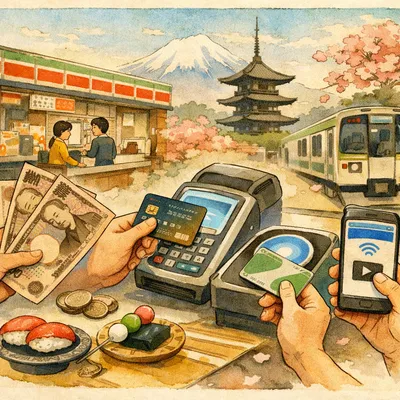
Tourist-area drugstores often accept major credit cards, but payment methods can still vary by branch.
- Credit cards: Common in larger stores, but not guaranteed everywhere.
- Cash: Still useful as a backup.
- IC cards: Some drugstores accept them, especially in major cities.
- QR payments: Availability varies.
If you are unsure, check the payment logos near the entrance or register before filling your basket.
Related guide: How to Use IC Cards in Japan: Suica, PASMO, and Other Travel Cards Explained (Stress-Free Guide).
Taking items home: what to check before you buy too much
This is where tourists can get surprised. Something sold legally in Japan may still be restricted in your destination country.
Before buying medicines, supplements, or large quantities of health-related products, check:
- Your home country’s import rules
- Quantity limits for personal use
- Whether any ingredients are restricted
- Whether products should stay in original packaging
- Whether you need receipts or tax-free documents
Avoid bulk-buying medicines unless you have checked the rules. What feels like a good deal can look like a commercial quantity at customs.
Common mistakes tourists make
- Buying medicine only because the package looks popular
Fix: Check the category, ingredients, and instructions first. - Buying multi-symptom products without checking overlaps
Fix: Ask a pharmacist if you take other medicine or are unsure. - Forgetting your passport for tax-free shopping
Fix: Keep your passport with you if you plan to shop tax-free. - Opening sealed tax-free consumables
Fix: If the store seals the bag, follow the store’s instructions. - Assuming every branch accepts every payment method
Fix: Carry some cash as a backup. - Overbuying products to take home
Fix: Check customs rules before stocking up.
Drugstore shopping etiquette
- Use a basket. It is easier and more polite than carrying many items by hand.
- Do not open packaging. Only use testers that are clearly marked.
- Queue calmly. Lines are usually orderly, even when the store is busy.
- Ask before taking photos of staff or inside the store. Product photos for translation are usually practical, but be considerate.
Related guide: Japanese Etiquette for Tourists: What Foreign Visitors Should Know (Stress-Free Guide).
FAQ: Japan drugstore essentials for tourists
Do Japanese drugstores have pharmacists?
Many do, but not every staff member is a pharmacist. If you need help with medicine, ask specifically for the pharmacist or for someone who can assist with over-the-counter products.
Can I find travel-size toiletries easily?
Yes. Toothpaste, razors, shampoo, skincare minis, and contact lens supplies are common. If your hotel already provides basics, you can buy only what you need.
Are Japanese drugstores good for souvenirs?
Yes. Sheet masks, hand cream, lip balm, bath salts, and steam eye masks are easy souvenir choices because they are small, light, and practical.
Should I buy medicine to take home?
Be careful. Check your destination country’s rules before buying medicines or supplements in quantity. Keep products in original packaging and avoid buying more than reasonable personal-use amounts.
What if I feel sick late at night?
Some drugstores close earlier than convenience stores. If you feel unwell at night, ask your hotel front desk for nearby options or medical guidance. For severe or urgent symptoms, seek medical care.
Quick checklist: what to buy early vs. only if needed
Easy to buy early
- Sunscreen
- Moisturizer or hand cream
- Bandages or blister patches
- Sheet masks
- Steam eye masks
- Travel-size toiletries
Buy more carefully
- Cold symptom products
- Stomach-related products
- Pain or fever-related products
- Supplements
- Products with ingredients you cannot understand
Final thoughts
Japanese drugstores are extremely useful for travelers, but the best way to shop is to keep the purpose simple.
For comfort items, souvenirs, skincare, toiletries, and walking-day supplies, drugstores are easy and fun. For medicines, slow down, read the label, and ask the pharmacist when needed.
You do not need to buy everything. Just choose what helps your trip feel calmer, lighter, and easier to manage.