If you’re in Tokyo and want a calm “one-night Japan experience,” a ryokan stay is one of the easiest ways to slow down—without planning a complicated multi-city trip. The trick is choosing the right area first. Once the area fits your schedule and comfort level, picking a specific ryokan becomes much less stressful.
My simple recommendation for most first-timers: choose Hakone if you want the safest, most classic first ryokan experience near Tokyo. Choose Atami if you want the fastest onsen-style escape with simple logistics. Use the guide below to decide confidently.
Related guide: Best Onsen Areas Near Tokyo for First-Time Visitors: Hakone, Kawaguchiko, and More.
Quick Answer: Which Ryokan Area Near Tokyo Is Best for First-Time Visitors?
| Area | Best for | Why it’s first-timer friendly | Potential downside |
|---|---|---|---|
| Hakone | Classic hot spring scenery + “this feels like Japan” ryokan vibes | Well-developed visitor infrastructure, lots of ryokan choices, easy 1-night pacing | Can feel busy on weekends; some properties are on hills (more walking/taxis) |
| Atami | Shortest travel time + easy onsen reset | Fast access from Tokyo area, straightforward station-to-hotel flow | More “seaside resort town” feel than mountain onsen atmosphere |
| Izu Peninsula | Quiet, scenic, romantic “slow travel” | More secluded stays, ocean views, fewer crowds in many sub-areas | Logistics can be slower; you’ll want to choose the exact town carefully |
| Nikko / Kinugawa | Onsen + famous sightseeing in one trip | Great if you want culture and nature plus a ryokan night | Weather can affect plans; some routes require more transfers |
| Tokyo (city ryokan) | Only one night, no time to leave Tokyo | No intercity travel; easiest if your schedule is packed | Often less “hot spring town” atmosphere; onsen facilities may be limited |
Best for the shortest travel time
Atami is usually the easiest “I just want to soak and sleep well” option. It’s ideal if you’re nervous about transfers or you want to leave Tokyo after lunch and still arrive in time to relax before dinner.
Best for classic hot spring scenery
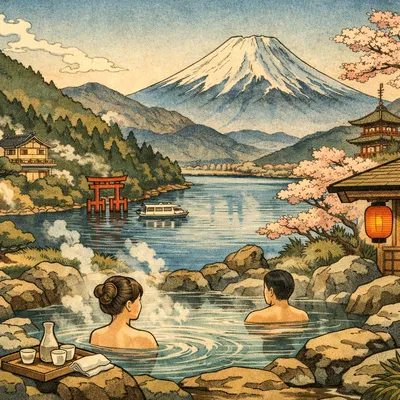
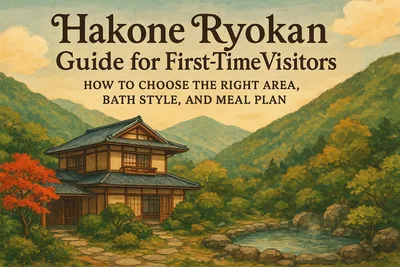
Hakone is the most reliable all-around choice for a first ryokan stay: mountain air, hot spring culture, and lots of accommodation styles—from simple to luxury.
Best for a quiet, romantic stay
Izu is a strong pick if you want a slower, more private feel (often with ocean views). It’s great for couples who care more about “peaceful” than “checking off attractions.”
Best for first-timers who want easy logistics
If you’re worried about timing, luggage, or language, choose Atami or a Tokyo city ryokan. If you want the full experience but still want a well-trodden route, choose Hakone.
Tokyo vs Hakone vs Atami vs Izu: How to Choose (Without Regret)
Choose Hakone if you want the safest first ryokan experience
- Best vibe match for what most travelers imagine: hot springs, mountains, traditional inns.
- Easy to build a 1-night plan: arrive, soak, dinner, sleep, breakfast, one small outing, back to Tokyo.
- Lots of inventory across budgets—helpful if you’re booking later than you hoped.
Good fit for: couples, first-time Japan visitors, anyone who wants “classic” without overthinking it.
Not ideal if: you dislike touristy areas or you want a completely silent, remote retreat.
Related guide: How to Choose a Ryokan with a Private Onsen in Japan for Your First Trip.
Choose Atami if you want the fastest onsen escape
- Time-efficient: great when you only have one night and don’t want to spend it in transit.
- Simple arrival: many stays are designed for short breaks and weekend travelers.
- Relaxation-first: you can prioritize bath + dinner + sleep without feeling like you “should” tour all day.
Good fit for: tired travelers, first-timers who want minimal logistics, families who prefer shorter travel days.
Not ideal if: your dream is a mountain hot spring town atmosphere.
Choose Izu if you want a slower, more scenic retreat
- More “getaway” feeling: many areas feel less rushed than the most popular day-trip zones.
- Great for views: coastal scenery and a calmer pace can make a one-night stay feel longer.
- Strong for privacy: you’ll often find stays designed around quiet time and couples’ relaxation.
Good fit for: couples, repeat visitors to Tokyo, anyone who wants to truly unplug.
Not ideal if: you’re anxious about transfers or arriving late—choose a simpler route instead.
Choose Nikko / Kinugawa if you want sightseeing + onsen in one trip
- Best “two goals” option: culture/nature in the daytime, ryokan comfort at night.
- Feels different from Tokyo: a nice contrast if your Tokyo days are busy and modern.
Good fit for: travelers who want a memorable day out plus a ryokan night.
Not ideal if: you want a pure relaxation trip with zero scheduling.
Choose a Tokyo city ryokan if you only have one night
- No packing stress: you can keep your Tokyo base and still sleep on traditional-style bedding.
- Great for flight timing: helpful if you’re arriving late or leaving early the next day.
Good fit for: very short trips, business travelers adding one “Japan-style” night, anyone who hates repacking.
Not ideal if: your priority is soaking in a hot spring in a quiet town.
Related guide: Where to Stay in Tokyo for Your First Trip to Japan (Stress-Free Areas).
Why 1 Night Is Better Than a Day Trip (For First-Timers)
- Ryokan dinner and breakfast are a huge part of the experience. A day trip misses the “evening calm” that makes a ryokan special.
- You don’t have to rush bathing. The best soak is usually after check-in and again after dinner or early morning.
- Less decision fatigue. One overnight stay gives you a simple rhythm: arrive, relax, eat, sleep, eat, leave.
What First-Timers Should Expect at a Ryokan
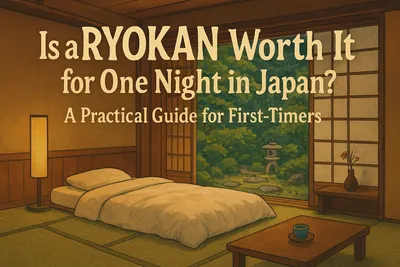
Typical flow: check-in, meals, sleep, breakfast
- Check-in is earlier than many city hotels (often mid-afternoon). Some ryokan are strict because dinner timing matters.
- Dinner is usually set-time and set-menu. If you book dinner included, plan to arrive with time to settle.
- Traditional bedding is common. Many places prepare it while you’re at dinner.
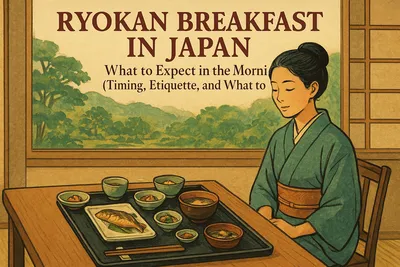
- Breakfast is early-ish compared to Western vacations. If you’re not a morning person, choose a property known for flexible timing.
Bath basics (without overthinking it)
- Expect shared bathing in many ryokan, separated by gender. Some travelers love it; others prefer private options.
- Private bath options may be: in-room bath, reservable private bath, or “private-use” time slots.
- Rules are usually posted clearly. If you follow the signs and take your time, you’ll be fine.
Related guide: Private Onsen or Ryokan? How to Choose the Right Stay in Japan (Without Booking Regrets).
English support: what’s realistic
Many ryokan can handle basic English, but the level varies. For a low-stress first stay, look for:
- Clear booking pages and confirmation emails in English
- Meal and check-in instructions written simply
- Staff used to international guests (often mentioned in recent reviews)
If English support is a top priority, Hakone, Atami, and Tokyo ryokan tend to be the easiest starting points.
Common Booking Mistakes to Avoid (First Ryokan Stay)
- Arriving too late for dinner. If dinner is included, treat it like a reservation you don’t want to miss.
- Not checking what “half board” means. Many ryokan plans include dinner + breakfast. Some are room-only. Confirm before booking.
- Choosing an area first-time travelers underestimate. A remote, beautiful town can be amazing—unless it adds three transfers and a stressful arrival.
- Booking the cheapest room and expecting luxury. In ryokan, price often reflects bath type, room size/view, and meal quality.
- Assuming every ryokan has hot springs. Some “ryokan-style” stays are traditional inns without natural hot spring water. If onsen matters, confirm it.
Related guide: Japan Hotel Guide for First-Time Visitors: What to Know Before Booking.
Best Ryokan Areas Near Tokyo by Travel Style
For couples (romantic, quiet, memorable)
- Izu for a slower pace and scenic stays
- Hakone for classic atmosphere and easy add-on sightseeing
Tip: If privacy is important, prioritize a room with a private bath or a ryokan with reservable private baths.
For solo travelers (simple, comfortable, not awkward)
- Tokyo city ryokan for the easiest logistics
- Hakone if you want the full experience with lots of transport options
Tip: Some ryokan price per person and may have limited availability for solo bookings on weekends—book early when possible.
For luxury seekers (special occasion, “once in a lifetime”)
- Hakone for high-end choices and polished service
- Izu for private-feeling luxury retreats
Tip: Luxury ryokan often sell out far in advance for peak seasons. If dates are fixed, book earlier than you would for a city hotel.
For budget-conscious first-timers (value without stress)
- Atami can be good value for a quick overnight reset
- Tokyo city ryokan if you want the vibe without extra transport costs
Tip: The best “value” is often a simple room with dinner and breakfast included—because meals in onsen towns can add up if you wing it.
Related guide: Family-Friendly Ryokan in Japan: What to Check Before Booking (Without Regrets).
Sample 1-Night Itineraries from Tokyo (Beginner-Friendly)
Exact travel times and train options change by route and schedule, so check current information on official transit tools before you go. These sample flows are designed to feel calm, not rushed.
Itinerary A: Early departure + onsen + dinner (the classic ryokan rhythm)
- Late morning: Leave Tokyo after a relaxed breakfast
- Early afternoon: Arrive in your ryokan area, have a light lunch/coffee nearby
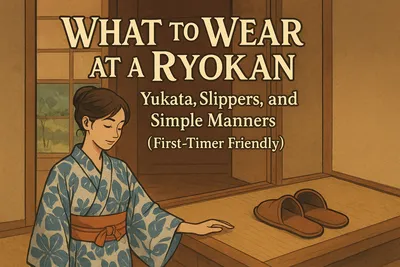
- Mid-afternoon: Check in, change into your in-room robe, first bath
- Evening: Dinner at the ryokan
- Night: Optional second bath, early sleep
- Next morning: Breakfast, short walk or viewpoint, head back to Tokyo
Itinerary B: Late arrival-friendly (for busy Tokyo days)
- Afternoon: Do Tokyo sightseeing as usual
- Early evening: Travel to the ryokan area
- Night: Check in, bath, simple dinner plan (either ryokan plan that allows later dining, or room-only with nearby options)
- Next morning: Breakfast (if included), one relaxing soak, return to Tokyo before lunch
Tip: If you’re arriving late, confirm the latest check-in time and whether dinner is still possible. This one detail prevents most first-timer stress.
First-Timer Checklist: Pick the Right Area in 5 Minutes
- I want the “classic” experience: choose Hakone
- I want the fastest, easiest escape: choose Atami
- I want quiet and scenic with a slower pace: choose Izu
- I want sightseeing + onsen together: choose Nikko / Kinugawa
- I can’t leave Tokyo but want a traditional night: choose a Tokyo city ryokan
Related guide: How to Choose the Best Area to Stay in Japan Without Regret (First-Timer Friendly).
FAQ: Best Ryokan Areas Near Tokyo for a Relaxing First Stay
Is it better to book a ryokan with dinner and breakfast?
For a first stay, yes—if your schedule allows you to arrive in time. The meal experience is a big part of what makes a ryokan feel special, and it simplifies your evening plans in a quiet town.
Should I choose a private bath for my first ryokan?
If you feel unsure about shared bathing, a private bath option can make the whole trip more relaxing. It may cost more, but many first-timers feel it’s worth it for comfort and confidence.
Which area is easiest if I don’t want complicated train transfers?
Atami and Tokyo are usually the simplest. Hakone can also be easy, but the final leg may involve local transport depending on where your ryokan is located.
How far in advance should I book?
For weekends, peak seasons, and private-bath rooms, earlier is better. If you’re traveling during popular holiday periods, try to book as soon as your dates are firm.
What if I miss the last train back to Tokyo?
If you’re doing an overnight ryokan stay, this usually isn’t an issue. If you’re trying to return late the same day, plan conservatively and check the last train time. Having a backup plan helps.
Related guide: Missed the Last Train in Japan? What to Do Next (Safe, Cheap Options in Tokyo for 2026).
Bottom Line: The Best Area for a First Ryokan Near Tokyo
If you want the easiest “no regrets” first ryokan experience, pick Hakone. If you want the quickest, simplest overnight reset, pick Atami. If you want a quieter, slower, scenic retreat, pick Izu. And if time is extremely tight, a Tokyo city ryokan can still give you a comforting traditional night—without leaving the city.