Planning a Japan trip is exciting… and then you open ten tabs about money and suddenly it feels a lot less exciting, right?
Don’t worry. This is where many first-time visitors get stuck. Japan can be surprisingly manageable, but the numbers look scary when you are not sure what is included, what is extra, and what might quietly explode your budget.
This guide gives you a realistic way to think about your Japan travel budget first time, based on common travel styles. You will see daily budget ranges, what usually costs the most, where first-time visitors often get surprised, and how to plan without turning your vacation into a spreadsheet punishment.
Quick note: Prices for hotels, flights, rail passes, attractions, mobile internet, and airport transfers can change over time. Use this guide as a calm starting point, and always check the latest official information before booking or buying anything important.
Quick Answer

For many first-time visitors, a simple planning range is around $70–$120 per person per day for budget travel, $150–$260 per person per day for mid-range comfort, and $300–$600+ per person per day for luxury travel.
But here’s the important part: daily budget estimates often do not include international flights, long-distance trains, major shopping, or big-ticket attractions.
If you want one calm planning number, many first-time visitors feel comfortable planning around $170–$220 per person per day, then adjusting based on hotel style, season, and how many cities they visit.
Stress-Free Tip: Add a cushion. For a first trip, planning an extra 10%–15% on top of your estimate helps cover small mistakes, convenience choices, and “we’re tired” taxi rides.
Who This Guide Is For
This guide is for you if you are:
- A first-time visitor who wants a realistic Japan travel budget
- Worried about spending too much without realizing it
- Nervous about trains, airport transfers, hotels, or cash payments
- Trying to choose between budget, mid-range, and comfortable travel
- Planning a solo trip, couple trip, or family trip
- Trying to avoid money stress while still enjoying Japan
Related guide: First Time in Japan? 15 Things to Know Before You Go (Stress-Free Tips).
Start Here: What “Japan Travel Budget” Usually Includes
Here’s the thing. When you see Japan travel costs online, different guides may be counting different things.
Some daily budget estimates include hotels. Some do not. Some include local transport but not Shinkansen rides. Some assume you already paid for flights. Tiny detail? Not really. That tiny detail can change your whole budget.
Most daily budget estimates usually include:
- Accommodation
- Food and drinks
- Local transport, such as subways, buses, and short train rides
- Basic sightseeing and small admission fees
They often do not include:
- International flights
- Long-distance transport, especially Shinkansen rides
- Theme parks, private tours, or expensive attractions
- High-end dining, such as omakase or luxury restaurants
- Shopping, souvenirs, cosmetics, anime goods, or “oops I bought another tote bag” moments
Stress-Free Tip: Before trusting any budget number, ask one simple question: Does this include flights and long-distance trains? That one check can save you from a very unpleasant surprise later.
Daily Budget Reality Check
Japan can be done on different budgets. The key is not finding the “perfect” number. The key is matching your budget to your travel style.
A person staying in hostels, eating simple meals, and staying mostly in one city will spend very differently from someone booking mid-range hotels, Shinkansen rides, theme parks, and several special dinners. Obvious? Yes. Easy to forget when planning? Also yes.
Budget Travel: Around $70–$120 Per Day
This is the “I want Japan, but I do not need fancy hotels” style.
You might stay in a hostel, capsule hotel, simple guesthouse, or lower-cost business hotel. You may eat at convenience stores, casual chains, ramen shops, supermarkets, and simple local restaurants. You choose paid attractions carefully and avoid too many expensive travel days.
- Accommodation: lower-cost stays, depending heavily on city and season
- Food: simple meals, convenience stores, casual restaurants, and set meals
- Transport: mostly local trains and buses
- Best fit: solo travelers, backpackers, slow travelers, and flexible planners
Stress-Free Tip: Budget travel gets stressful when you try to visit too many cities. Fewer hotel changes usually means fewer train tickets, fewer luggage problems, and fewer “why did I do this to myself?” moments.
Mid-Range Travel: Around $150–$260 Per Day
This is often the most comfortable planning zone for first-time visitors.
You can stay in a solid business hotel or mid-range hotel, eat well without tracking every yen, use local transport comfortably, and pay for a few activities that really matter to you.
- Accommodation: business hotels or mid-range hotels in convenient areas
- Food: casual restaurants, cafés, convenience stores when useful, and occasional nicer meals
- Transport: local trains, some taxis if needed, and possibly one or two longer rides
- Best fit: first-time visitors who want comfort without going luxury
Stress-Free Tip: If you are nervous about trains, paying a little more to stay near a major station can be worth it. A cheaper hotel far from transport can cost you time, taxis, and sanity.
Related guide: Where to Stay in Tokyo for Your First Trip to Japan (Stress-Free Areas).
Luxury Travel: Around $300–$600+ Per Day
This is where costs can climb quickly.
High-end hotels, ryokan stays, private guides, premium dining, taxis, luggage services, and special activities can all add up. None of these are “bad” choices. They just need to be planned honestly.
- Accommodation: upscale hotels, luxury ryokan, or premium locations
- Food: high-end dining, omakase, tasting menus, and special restaurants
- Transport: Shinkansen, taxis, private transfers, or premium services
- Best fit: travelers who value comfort, convenience, and special experiences
Stress-Free Tip: If you want luxury without the budget spiral, choose one big splurge per day, or even one per trip. A special ryokan night or one amazing dinner can feel memorable without making every day expensive.
2026 Reality Check: City-to-City Price Differences (What Changes Most)
For a first trip, the biggest budget surprise is often not “Japan is expensive.” It is that prices can change a lot by city, neighborhood, and season.
Use this as a practical rule of thumb:
- Big cities and ultra-convenient areas (major stations, popular neighborhoods) usually push hotel prices up.
- Kyoto can feel surprisingly pricey for hotels in peak seasons because demand is intense and the most convenient areas sell out fast.
- Smaller cities can be better value for hotels, but you might spend more on intercity travel if you add extra stops.
| Area type | What tends to cost more | Stress-free way to balance it |
|---|---|---|
| Tokyo / Osaka (big city) | Hotels near major stations; taxis if you stay far out | Pay for location, save on transport confusion and time |
| Kyoto (high-demand sightseeing city) | Hotels during peak seasons; last-minute bookings | Book earlier; consider staying slightly outside the hottest zones |
| Smaller cities / regional bases | Less frequent transport; extra intercity legs | Use 1–2 bases, then do day trips instead of constant hotel changes |
Stress-Free Tip: For a first trip, treat hotel location as part of your transportation budget. A slightly higher nightly rate can reduce daily friction (and surprise spending).
Related guide: How to Choose the Best Area to Stay in Japan Without Regret (First-Timer Friendly).
Season & Timing: When Prices Jump (and When They Calm Down)
Timing can change your Japan travel budget as much as your hotel style.
In general, expect higher prices (especially hotels) during:
- Cherry blossom season in popular areas
- Autumn foliage season in major sightseeing cities
- Major holidays and long weekends
- Year-end / New Year travel periods
And more breathing room (often better hotel availability and calmer crowds) during:
- Shoulder seasons (between major peak periods)
- Mid-week stays (especially if you can avoid weekend hotel nights in hot spots)
Stress-Free Tip: If your dates are flexible, do a quick hotel price check for the same neighborhood across two different weeks. That one comparison often tells you more than any generic budget chart.
Trip Totals: 7, 10, and 14 Days in Japan
Trip totals depend on flights, exchange rates, season, hotel style, and route. So treat these as rough planning ranges, not fixed prices.
The biggest question is usually this: are you staying mostly in one area, or are you moving across Japan by long-distance train?
One Week in Japan
A one-week Japan trip can be manageable, but it is short. If you try to squeeze in Tokyo, Kyoto, Osaka, Hiroshima, a theme park, and three day trips, your budget and your body may both file a complaint.
- Budget style: often possible with simple hotels, fewer cities, and casual food
- Mid-range style: more comfortable if you choose one or two main bases
- Watch out for: expensive flights and rushing between cities
Stress-Free Tip: For one week, choose a simple route. Tokyo only, Tokyo plus Kyoto, or Kansai only can feel much calmer than trying to “complete Japan.” Spoiler: nobody completes Japan in one week.
Ten Days in Japan
Ten days is a sweet spot for many first-time visitors.
You can usually enjoy two main areas without feeling like you are constantly packing. For example, Tokyo and Kyoto/Osaka can work well if you keep the route simple.
- Budget style: possible if you limit expensive travel days
- Mid-range style: often comfortable for first-time visitors
- Watch out for: too many hotel changes
Stress-Free Tip: Ten days does not mean ten different places. It means you have enough time to enjoy Japan without rushing every morning.
Two Weeks in Japan
Two weeks gives you more breathing room, but it can also tempt you into overplanning.
More days can mean more cost, of course. But it can also help you travel more slowly, reduce expensive backtracking, and avoid exhausting travel days.
- Budget style: easier if you stay longer in fewer places
- Mid-range style: comfortable if you plan big costs in advance
- Watch out for: adding city after city just because you can
Stress-Free Tip: If you remember one thing, remember this: intercity travel is the budget multiplier. Two calm weeks in fewer regions can be cheaper than one rushed week crossing the country.
Where Your Money Really Goes
Japan is not always expensive in the way people expect. Some meals are very affordable. Convenience stores are genuinely useful. Local transport can be reasonable.
But a few categories can change your total fast.
Flights
International flights can be one of the biggest parts of your total trip cost, especially if you are traveling from far away or during peak seasons.
Prices vary by departure city, airline, season, baggage needs, and how early you book. So instead of copying someone else’s total budget, check flight prices from your own airport first.
Stress-Free Tip: Set a flight price alert early. If flights drop, you can use the savings for a better hotel location, easier transfers, or a few special meals.
Hotels
Hotels are often the biggest daily cost.
The same room can feel affordable in one season and expensive in another. Popular areas, weekends, holidays, cherry blossom season, autumn foliage season, and event periods can all push prices up.
Common hotel cost patterns look like this:
- Budget: hostels, capsule hotels, guesthouses, or simple business hotels
- Mid-range: business hotels or comfortable hotels near convenient stations
- Higher-end: premium hotels, luxury ryokan, or central locations with more space
Stress-Free Tip: Do not judge a hotel only by price. Check the walking route from the nearest station. A “cheap” hotel that requires confusing transfers with luggage may not feel cheap after a long flight.
Food
Food in Japan can be surprisingly budget-friendly if you mix things well.
You do not need fancy sushi every day to eat well. Many first-time visitors happily combine convenience store breakfasts, casual lunches, ramen, curry, set meals, supermarket snacks, cafés, and occasional special dinners.
- Budget: convenience stores, casual chains, supermarkets, ramen, simple set meals
- Mid-range: casual restaurants, cafés, izakaya, and occasional nicer meals
- High-end: omakase, fine dining, tasting menus, hotel restaurants, and bars
Stress-Free Tip: Plan one special meal every few days instead of trying to make every meal “iconic.” Your trip will still feel special, and your budget will not panic.
Transportation
Local transportation in cities is usually manageable once you understand IC cards and basic train navigation.
The bigger cost usually comes from long-distance movement. Shinkansen rides, airport transfers, taxis, and frequent hotel changes can add up quickly.
Stress-Free Tip: Before buying any train pass, map your actual route first. A pass can be useful for some itineraries, but it is not automatically the cheapest option for every trip.
Related guide: How to Use IC Cards in Japan: Suica, PASMO, and Other Travel Cards Explained (Stress-Free Guide).
Related guide: Are Taxis in Japan Expensive? A Simple Guide for Tourists (No Stress).
Attractions and Activities
Some sightseeing in Japan is inexpensive or even free. Walking neighborhoods, visiting parks, exploring shopping streets, and enjoying temple areas can be budget-friendly.
But big-ticket days are different.
- Theme parks
- Observation decks
- Special museums or exhibitions
- Guided tours
- Private drivers
- Premium dining experiences
Stress-Free Tip: Spread expensive activities across your trip. Back-to-back big-ticket days can drain both your budget and your energy.
First-Time Japan Budget: Hidden Costs People Forget to Add
Most budget stress comes from “small” costs that were never added in the first place. Here are the common ones.
Airport ↔ City Transportation
Getting from the airport to your hotel (and back) is often a real cost—especially if you arrive late, have heavy luggage, or choose a more convenient option.
- Budget reality: plan for airport-to-city transport on arrival day and departure day, not just “daily transport.”
- Stress-free reality: the cheapest route is not always the easiest route when you are jet-lagged.
Mobile Internet (eSIM / Pocket WiFi) + Setup Timing
Internet is not just “nice to have.” It prevents wrong trains, missed reservations, and expensive last-minute fixes.
Stress-Free Tip: If you are comparing options, focus on what reduces friction for your group: one person vs a couple vs a family.
Related guide: Pocket Wi-Fi vs eSIM in Japan: Which One Should You Choose?.
Related guide: Best eSIM for Japan: What First-Time Visitors Should Know (2026).
Ticketed Attractions and “Reserve Ahead” Fees
Some popular attractions, observation decks, museums, and experiences are smoother when booked ahead (and sometimes require it). That can mean:
- Booking fees or slightly higher online prices
- Non-refundable tickets (which can turn into a budget loss if plans change)
Stress-Free Tip: If you prepay tickets, keep confirmation screenshots offline. When your signal is weak, your patience will be weaker.
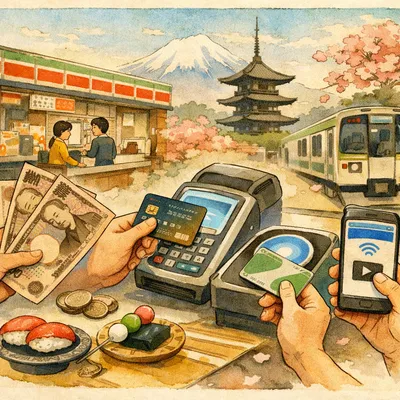
Cash & ATM Fees
Japan is increasingly card-friendly, but cash is still useful. The hidden cost is not just “having cash”—it is ATM fees and the occasional “my card did not work, now what?” moment.
Related guide: Do You Need Cash in Japan? Simple Cash, Card & ATM Tips for First-Time Visitors.
Budget Simulation (Simple Formula You Can Actually Use)
If you want to stop guessing, use this calm template. It is not fancy. It works.
Total trip budget =
- Flights (round-trip)
- + Hotels (nightly rate × nights)
- + Daily spending (food + local transport + small entry fees) × days
- + Intercity transport (Shinkansen / limited express / extra regional legs)
- + Big-ticket days (theme parks, tours, special experiences)
- + Connectivity (eSIM / pocket WiFi)
- + Cushion (10%–15%)
Stress-Free Tip: If you only do one thing: separate daily spending from route costs. Most first-time budgets break because route costs were never priced out.
Sample Budgets You Can Calmly Adjust
These are not strict rules. Think of them as starting points.
Your actual budget may be higher or lower depending on your flights, exchange rate, hotel choices, travel season, and route.
Solo Budget Traveler
- Daily target: around $80–$130, depending on accommodation and route
- Works well if: you stay in fewer cities and keep meals simple
- Watch out for: last-minute hotel bookings and too many paid attractions
Stress-Free Tip: If you are traveling solo and nervous, book places with clear check-in instructions and strong location reviews. Confusion can become expensive when you are tired.
Couple Mid-Range Trip
- Daily target: around $320–$520 for two people, depending on hotel style
- Works well if: you mix casual meals with a few special experiences
- Watch out for: taxis, premium dinners, and impulse shopping
Stress-Free Tip: Save your hotel address in your phone and keep a screenshot. When you are tired, hungry, and standing at the wrong station exit, you will be very happy you did.
Family Mid-Range Trip
- Daily target: varies widely, but planning higher than a couple is realistic
- Works well if: you choose convenient hotels and keep travel days simple
- Watch out for: attraction-heavy days, room size, and luggage logistics
Stress-Free Tip: Build in one low-spend, low-effort day every few days. A park, a neighborhood walk, a shopping street, or a relaxed café stop can save both money and mood.
Related guide: Japan Travel with Kids: Simple Tips for a Smoother Family Trip.
How to Save Money Without Making Your Trip Miserable
Yes, you can save money in Japan.
But no, you do not need to turn every meal, train ride, and hotel choice into a math exam. The goal is not to spend the least possible. The goal is to spend where it reduces stress and save where it does not hurt your trip.
Choose a Smart Hotel Location
A hotel far from transport may look cheaper at first. But if it leads to taxis, confusing transfers, or long walks with luggage, the savings may disappear.
Stress-Free Tip: For a first trip, “easy to reach” often beats “technically cheaper.” Especially on arrival day. Especially with suitcases. Especially when your brain thinks it is still in another time zone.
Use an IC Card for Local Transport
IC cards such as Suica and Pasmo can make local travel smoother. You tap in, tap out, and avoid buying individual tickets for every short ride.
Stress-Free Tip: Less time at ticket machines means fewer “am I holding up the line?” moments. Tiny win. Big relief.
Mix Convenience Meals with Casual Restaurants
Convenience store food is not a sad compromise. It is a practical travel tool.
Use it for breakfast, late-night snacks, quick lunches, or tired evenings. Then save your energy and money for meals you actually care about.
Stress-Free Tip: Keep one simple breakfast option in mind near your hotel. Easy mornings make the whole day easier.
Slow Down Your Route
Moving cities every other day looks efficient on paper. In real life, it means packing, checking out, finding platforms, moving luggage, checking in again, and wondering why your vacation feels like admin work.
Stress-Free Tip: Fewer hotel changes often means fewer surprise costs and a calmer trip.
Common Budget Mistakes First-Time Visitors Make
These mistakes are totally understandable. But if you can avoid even a few of them, your Japan travel budget will feel much more manageable.
- Budgeting per day but forgetting flights. Many daily estimates do not include international airfare.
- Underestimating Shinkansen and intercity travel. Long-distance movement can change your total quickly.
- Booking the cheapest hotel without checking location. You may save money, then spend it on taxis, time, and stress.
- Planning too many big-ticket days. Theme parks, special dining, tours, and observation decks add up.
- Arriving with no cash at all. Japan is increasingly cashless, but cash is still useful in some places.
- Forgetting “setup day” costs. Airport transport, connectivity, and a simple meal near the hotel often cost more than expected.
- Leaving no cushion. Wrong exits, missed trains, tired taxi rides, and sudden cravings happen.
Stress-Free Tip: Add a small “mistake cushion” to your budget. Even careful travelers take a wrong exit or pay for convenience sometimes. That does not mean you failed. It means you are traveling.
Related guide: 10 Common Mistakes Foreigners Make in Japan (And How to Avoid Them).
Recommended Options, Only If They Fit Your Trip
eSIM or Pocket WiFi
Best for: Travelers who feel nervous about maps, translation, train routes, or getting lost.
Not ideal for: Travelers with locked phones, very short trips where roaming is easier, or anyone who does not want to troubleshoot settings.
My honest take: Mobile internet is one of the most stress-saving things you can prepare. It can help prevent missed reservations, wrong routes, and expensive emergency taxis. Just check compatibility and provider details before you buy.
Luggage Delivery
Best for: Travelers changing cities, families, and anyone with large suitcases.
Not ideal for: One-night stays, tight schedules, or travelers who need immediate access to all luggage.
My honest take: It can feel like an extra cost, but it may prevent one of the most stressful parts of Japan travel: crowded stations with big bags. Confirm timing and cut-off rules with the service, hotel, or counter before using it.
Related guide: Luggage Delivery in Japan: A Stress-Free Guide for Families.
Airport Transfer
Best for: Late arrivals, heavy luggage, families, or travelers who want a calmer first hour in Japan.
Not ideal for: Ultra-budget travelers arriving during the day who feel comfortable using trains.
My honest take: Trains are excellent, but arrival day is when you are most tired. Paying for an easier transfer can be a smart budget decision if it prevents confusion, stress, or expensive mistakes later.
Travel Insurance
Best for: Trips with non-refundable bookings, families, long itineraries, or travelers who would be financially stressed by medical costs or major delays.
Not ideal for: It depends on your coverage, risk tolerance, and what protection you already have.
My honest take: Not exciting. Very adult. But it can protect your budget from worst-case surprises. Compare policies carefully and read the coverage details before buying.
Stress-Free Budget Checklist
- Decide your travel style: budget, mid-range, or luxury
- Separate your budget into flights, hotels, daily spending, intercity transport, and a cushion
- Check whether your daily estimate includes accommodation and long-distance trains
- Do a quick city/season reality check (Tokyo vs Kyoto vs smaller cities, peak vs off-peak)
- Choose hotel locations that reduce confusion and transport stress
- Plan your route to avoid too many city changes
- Set aside money for big-ticket days, such as theme parks, tours, or special dining
- Prepare mobile internet before landing
- Save your hotel address and booking details offline
- Keep some cash ready for smaller places and backup situations
- Check the latest official prices for rail passes, transport, and attractions before you go
What to Prepare Next
You do not need to plan every yen before your trip. Start with the parts that reduce the most stress first.
- Check your likely flight cost from your own departure city
- Choose your main travel route before deciding on train passes
- Compare hotel prices by area, not just by nightly rate
- Decide how you will handle mobile internet after arrival
- Prepare a small cash backup for your first day
Stress-Free Tip: Your budget does not need to be perfect. It just needs to be realistic enough that small surprises do not ruin your mood.
Related guide: Japan Travel Apps You Should Download Before Your Trip (First-Timer List).
FAQ
Is Japan expensive for first-time visitors?
Japan can be expensive, but it does not have to be. Many travelers find it manageable if they use public transport, eat at casual places, avoid too many city changes, and choose hotels carefully. The biggest swings usually come from hotel seasonality, flight prices, and how much you move between cities.
How much should I budget per day in Japan?
As a rough planning range, budget travelers may plan around $70–$120 per day, mid-range travelers around $150–$260, and luxury travelers $300–$600 or more. Your route, hotel style, and season can change this a lot, so treat these as planning ranges and check current prices before you book.
How much cash should I carry in Japan?
Cards are accepted in many places, especially in cities, but cash is still useful for smaller shops, some restaurants, local transport, shrines, and backup situations. Carry some yen, but do not keep all your money in one place, and check your bank’s ATM and foreign transaction fees before you go.
Do I need a JR Pass to save money?
Not always. A rail pass can help on some long-distance routes, but it is not automatically cheaper for every trip. Price out your actual route and check the latest official information before buying.
What is the biggest budget mistake in Japan?
One of the biggest mistakes is underestimating intercity travel and frequent hotel changes. They cost money, time, and energy—and they can quietly add up even when your daily spending looks reasonable.
Final Thoughts
Your Japan travel budget does not need to be perfect. It needs to be honest.
If you know your travel style, choose a smart hotel location, plan your route calmly, and leave a small cushion for tired moments, your trip will feel much easier.
Many first-time visitors can plan around a budget, mid-range, or luxury range and then adjust for flights, hotels, long-distance trains, and special experiences.
You do not need to spend the most money to enjoy Japan. You just need to spend in the places that reduce stress and support the kind of trip you actually want.
You’ve got this.