You can plan the perfect Tokyo itinerary, book the right hotel, and download every travel app imaginable...
Then your feet start hurting at 2:30 p.m.
Yeah. Suddenly none of that matters.
Japan is an amazing place to explore on foot, but first-time visitors are often surprised by just how much walking is involved. Sightseeing days can mean long station corridors, hard city pavement, stairs, stone paths, and plenty of standing around waiting for trains.
And Japan adds one more thing that normal walking-shoe guides often forget: you may need to take your shoes off more often than expected.
So the best shoes for walking in Japan are not simply the softest shoes you can find. You want a combination of cushioning, secure fit, grip, breathability, and easy on/off.
Updated: August 2026. Shoe models change regularly, so use the product examples in this guide as starting points and always prioritize fit over the name on the box.
Quick answer: For most Japan trips, choose a lightweight walking or running sneaker with good cushioning, breathable materials, reliable grip, and an easy on/off design. If you expect lots of rain, winter conditions, or countryside walking, adjust your shoe choice for weather and terrain rather than buying one pair just because it is popular.
Related guide: First trip to Japan? Start with First Time in Japan? 15 Things to Know Before You Go.
Best Shoes for Walking in Japan: Quick Comparison
If you do not want to spend the next 20 minutes becoming a footwear engineer, start here.
| Your Japan trip | Best shoe type | Easy on/off | Rain readiness | Main advantage |
|---|---|---|---|---|
| Tokyo, Osaka and long city sightseeing days | Well-cushioned walking or running sneaker | Medium | Medium | Comfort on hard pavement |
| Ryokan, temples and traditional buildings | Secure slip-on or easy-entry sneaker | High | Low–Medium | Fast shoe removal |
| Rainy season or frequent wet weather | Water-resistant sneaker or light trail shoe | Medium | High | Better wet-weather protection |
| City plus parks, uneven paths or countryside trips | Light trail shoe | Medium | Medium–High | Extra grip |
| Hot and humid summer travel | Breathable mesh sneaker | Medium | Low–Medium | Airflow and faster drying |
| Winter travel | Grippy walking shoe with warmer upper | Medium | Medium–High | Warmth and traction |
Walking Shoe Types and Examples to Compare
There is no single shoe that is best for every traveler. Your feet, itinerary, weather, and preferred fit matter more than any ranking.
Still, these are useful categories and examples to compare when shopping.
Best for Long City Walking: Cushioned Sneakers
Tokyo and Osaka can mean hours on hard pavement, station floors, stairs, and concrete sidewalks. For city-heavy trips, cushioning and a secure fit should be near the top of your list.
Examples mentioned in this guide include:
- Hoka Clifton 9 — an example of a highly cushioned road shoe
- Brooks Glycerin GTS — an example for travelers looking for plush cushioning and added stability
Do not choose a shoe just because it feels extremely soft in the store. Some travelers love thick cushioning, while others prefer a firmer and more stable feel.
Best for Easy On/Off: Slip-On and Easy-Entry Shoes
This is where Japan is a little different.
You may remove your shoes at a ryokan, some traditional buildings, fitting rooms, and certain restaurants. Standard laces are not a disaster, obviously, but after the fifth shoe-off moment of the day you may start questioning your life choices.
Examples to compare include:
- Skechers Hands Free Slip-ins
- New Balance slip-on or easy-entry styles
The important thing is heel security. A slip-on that moves around while you walk can be much worse than a normal lace-up shoe.
Related guide: Staying at a traditional inn? See How to Book a Ryokan in Japan Without Getting Confused.
Best for Hot Weather: Breathable Shoes
Japan can feel hot and humid, and you may spend long periods moving between outdoor heat, stations, trains and indoor spaces.
Breathable mesh uppers are often easier to live with than heavy waterproof footwear when your trip is mostly urban.
Examples in this category include:
- Allbirds Tree Runners
- Breathable mesh running shoes from major athletic brands
Best for Mixed Terrain: Light Trail Shoes
If your itinerary mixes city sightseeing with parks, countryside day trips or uneven paths, extra outsole grip can be useful.
Examples to compare include:
- Salomon trail models
- Merrell light trail or hiking models
Trail shoes can provide more grip, but some travelers find them less comfortable or less versatile for city-only sightseeing.
Buying Shoes in Japan: ASICS and Other Local Options
If you need a replacement pair during your trip, major Japanese cities have plenty of footwear stores. ASICS is one obvious brand to compare locally.
Still, buying your main walking shoes after arriving is not the safest plan. If you already know which shoes fit you well, bringing a broken-in pair from home removes one more variable from your trip.
Why Walking in Japan Can Be Hard on Your Feet
A Japan trip can combine several different surfaces in one day.
- Hard city pavement
- Large train stations
- Long staircases
- Stone paths
- Temple and shrine approaches
- Wet or smooth surfaces on rainy days
That combination is why choosing shoes only by appearance is risky.
Cushioning for Hard Ground
If you are not used to long walking days, cushioning can reduce how punishing hours of pavement feel.
Look for a shoe with:
- Enough midsole cushioning for your comfort preference
- A stable heel
- A secure overall fit
- A sole shape that feels natural when you walk
Breathability for Humidity
Warm-weather travel can mean sweaty feet very quickly.
Mesh uppers generally provide better airflow and dry faster than heavier materials. Some travelers also prefer wool-blend materials for temperature management.
Grip for Rain and Smooth Surfaces
Rain does not automatically mean you need hiking boots.
But a rubber outsole with a clear tread pattern is useful when surfaces become wet. Extra grip becomes more important if your itinerary includes parks, countryside areas, or uneven paths.
Japan Travel Rule: Make Shoe Removal Easy
This is one of the easiest Japan-specific details to overlook.
Your shoes do not have to be true slip-ons, but they should not require a five-minute negotiation every time you take them off.
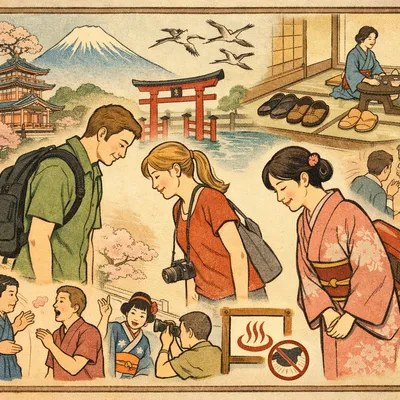
Where You May Need to Remove Shoes
- Ryokan and some traditional accommodation areas
- Historic buildings and cultural sites
- Some fitting rooms
- Some traditional-style restaurants
Slip-On vs Laces vs Quick-Lacing
| Type | Why it works in Japan | Watch out for |
|---|---|---|
| Slip-on | Very fast to remove and put back on | A loose heel can cause rubbing |
| Traditional laces | Best fit adjustment | Slower at shoe-off entrances |
| Quick-lacing | Good balance of speed and adjustment | Pressure across the top of the foot may not suit everyone |
| Hook-and-loop | Simple and quick | Fit, style and durability vary |
Stress-Free Tip: Whatever system you choose, practice taking the shoes off and putting them back on before your trip. Sounds silly. Becomes less silly when there are six people waiting behind you.
5 Things to Check Before Buying Walking Shoes for Japan
1. Get the Width Right
Width can matter just as much as length on long walking days.
- Wide feet: Look for models available in wider sizing.
- High instep: Avoid tight, non-adjustable uppers.
- Bunion-sensitive feet: Prioritize a roomy toe area and softer materials.
2. Leave Enough Toe Room
Your feet may swell after hours of walking. You also want enough space to avoid your toes repeatedly hitting the front of the shoe on stairs and slopes.
3. Match the Shoe to Your Main Itinerary
Do not buy a waterproof trail shoe for a mostly indoor city trip just because it sounds more “travel ready.”
Choose the feature you will actually use most.
4. Check Heel Security
This is especially important with slip-ons. Your heel should feel secure rather than sliding up and down with every step.
5. Decide Whether You Need One Pair or Two
One comfortable, broken-in pair may be enough for a shorter trip.
A second pair becomes more useful on longer trips, during humid weather, or when your shoes may get wet and need time to dry.
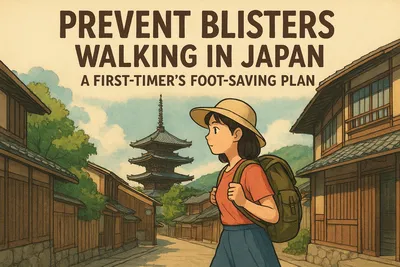
Related guide: Already worried about sore feet? Read Prevent Blisters Walking in Japan: A First-Timer’s Foot-Saving Plan.
Waterproof or Breathable: Which Is Better for Japan?
There is no automatic winner.
Water-Resistant Shoes Make More Sense When:
- You expect long periods outdoors in rain
- Your trip includes wet nature paths
- You are traveling in cooler weather
Breathable Shoes Make More Sense When:
- Your trip is mainly city sightseeing
- You are traveling in warm or humid weather
- You prefer shoes that dry more quickly
Stress-Free Tip: Quick-drying socks and a spare pair of socks in your day bag can be surprisingly useful.
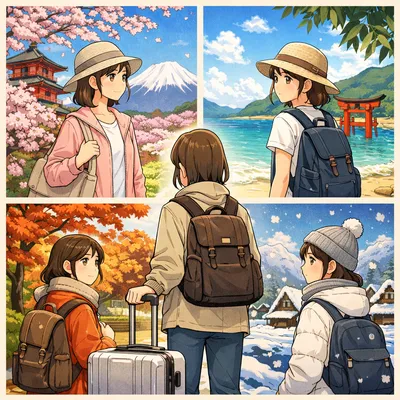
Best Walking Shoes for Japan by Season
Spring
A cushioned walking sneaker with a breathable upper is a simple all-round choice.
Rainy Season and Summer
Prioritize airflow and drying speed. If rain is a major part of your itinerary, consider a more water-resistant option or a second pair for rotation.
Autumn
Cushioned sneakers work well for general sightseeing. Extra outsole grip is useful if your plans include damp outdoor paths.
Best Walking Shoes for Japan in Winter
For winter travel, prioritize warmer uppers, comfortable socks, and reliable outsole grip.
If you expect wet or snowy conditions, water resistance and stronger traction become more important than they would on a normal city sightseeing day.
Whatever you choose, make sure thicker winter socks do not make an otherwise comfortable shoe too tight.
How to Break In Your Shoes Before Japan
Please do not save your first real test walk for Tokyo Station.
Before departure:
- Wear the same type of socks you plan to use in Japan
- Test the shoes later in the day when your feet may be slightly more swollen
- Take several longer walks before the trip
- Check for heel rubbing, toe pressure and hot spots
The goal is simple: arrive knowing exactly how the shoes feel after more than ten minutes.
Simple Foot-Care Kit for Long Walking Days
- Blister bandages
- Anti-friction balm or tape
- Spare moisture-wicking socks
- Any foot-care item you already know works well for you
You do not need to carry a miniature pharmacy. You just want enough to stop a small hot spot from becoming tomorrow’s entire travel itinerary.
Frequently Asked Questions
What are the best shoes for walking in Japan?
For most travelers, a comfortable walking or running sneaker with good cushioning, a secure fit, reliable grip, and breathable materials is the safest choice. Easy on/off is an extra advantage because shoes may need to be removed at some accommodations, cultural sites, fitting rooms and restaurants.
How many steps will I walk in Japan?
It varies by itinerary, but long sightseeing days can involve a very high step count, especially when combining train stations, neighborhoods and attractions on foot.
Do I need waterproof shoes for Japan?
Not necessarily. Breathable shoes may be more comfortable for city-focused travel in warm weather. Water-resistant footwear becomes more useful for rain-heavy or outdoor-heavy itineraries.
Are slip-on shoes good for Japan?
They can be very convenient because shoes are sometimes removed indoors. The important part is making sure the heel is secure enough for long walking days.
Are sandals okay for Japan?
Supportive sandals can work for some hot-weather sightseeing days, but closed shoes are generally more versatile for long walking days, rain and uneven surfaces.
Should I buy walking shoes in Japan or bring them from home?
If you already own a comfortable, broken-in pair, bringing them is the lower-stress choice. Buying shoes in Japan can work as a backup, but new shoes may require time to adjust.
What shoes should I wear in Japan in winter?
Look for comfortable walking shoes with warmer uppers and reliable grip. If your itinerary includes wet or snowy conditions, water resistance and stronger traction become more important.
Final Recommendation
If you are choosing shoes for Japan, do not obsess over finding the single “perfect” model.
Focus on four things:
- Comfort for long walking days
- A secure fit
- Enough grip for your itinerary
- Easy enough removal that taking your shoes off does not become annoying
A pair you already know fits your feet is usually a much safer travel companion than a trendy shoe you bought three days before departure.
Your feet are doing a lot of the work on a Japan trip.
Give them a decent chance.
Related guide: Prevent Blisters Walking in Japan: A First-Timer’s Foot-Saving Plan.
Related guide: Shinkansen with Large Luggage: A Stress-Free Guide.