Jet lag, late trains, long sightseeing days, and early tours can all lead to the same problem: you’re hungry when many restaurants are closing. The good news is that late night food in Japan is usually very doable for tourists—if you know where to look, what hours to expect, and how to order smoothly.
This guide focuses on practical, low-stress options after 9 PM (and often after midnight), with city-by-city ideas, payment and language tips, and a quick safety and transport plan.
Quick answer: the easiest late-night food options (tourist-friendly)

- Convenience stores for reliable, 24-hour food and drinks (great when you just need something now).
- Big chain “rice bowl” and set-meal places that often stay open late or 24 hours in busy areas.
- Ramen and noodle shops clustered near major stations and nightlife districts.
- Izakaya-style pubs for small plates (many take last orders late, but kitchens can close earlier than the door).
- Family restaurants and cafes (hours vary a lot by neighborhood; some are late-night lifesavers).
Before you go: the late-night reality in Japan (what surprises first-timers)
- “Open until” doesn’t always mean the kitchen is open. Many places stop taking food orders 30–60 minutes before closing.
- Areas matter more than cities. Near big stations and nightlife zones, you’ll find options. In quiet residential areas, choices drop fast after 9 PM.
- Weekdays vs weekends can be different. Some places extend hours on Fridays and Saturdays, while others shorten hours on certain weekdays.
- Last train shapes everything. After trains stop, your choices may depend on walking distance or taxis.
Related guide: If you’re traveling late, it helps to understand the basics of getting around. First Time in Japan? 15 Things to Know Before You Go (Stress-Free Tips).
Japan-wide late-night food “toolkit” (works in most cities)
1) Start your search in the right places
- Major stations (the bigger the station, the later the food tends to run).
- Nightlife districts (more late kitchens, but also more crowds).
- Hotel clusters (business hotels often sit near late-night chains).
- Main roads (late-night chains frequently face larger streets).
2) Use apps like a local (without needing Japanese)
- Search by “open now” and set the time to your current hour.
- Zoom in tightly around where you are—late-night options are often just a few blocks away.
- Check recent reviews for notes like “last order” or “cash only.”
- Save 2–3 backup pins before you leave your hotel, especially if it’s late.
Related guide: For navigation, translation, and maps, keep a small set of reliable apps ready. Japan Travel Apps You Should Download Before Your Trip (First-Timer List).
3) Ordering with confidence: a simple tourist strategy
- Choose places with pictures or food models (common and very tourist-friendly).
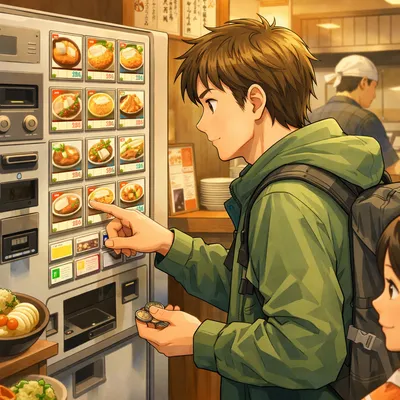
- Look for ticket vending machines at the entrance (you pay first, then hand over the ticket—less talking needed).
- Use your phone camera translation for menus and buttons, but still double-check key items like spice level and allergens.
- Keep your order simple late at night: one main + one drink is easiest if you’re tired.
Related guide: If you’re worried about communication, this helps you set expectations. Can You Travel Japan Without Speaking Japanese? A Practical Guide.
4) Payments at night: what to expect (and how to avoid stress)
Payment acceptance varies by restaurant type and neighborhood. Late at night, the biggest risk is assuming every place takes cards.
| Place type | Typical payment situation | Low-stress tip |
|---|---|---|
| Convenience stores | Cards and many digital payments usually accepted | Great backup when you’re low on cash |
| Big chains (bowls, set meals, family restaurants) | Cards often accepted; some use self-order kiosks | Look near stations for the most consistent hours |
| Small ramen shops / tiny local places | Sometimes cash-only | Carry a small amount of cash at night |
| Izakaya-style pubs | Often accept cards, but not always | Ask before you sit if you’re unsure |
Because payment options and policies can change, it’s smart to check current details in listings or at the door.
Japan-wide best late-night options (from easiest to most “adventurous”)
Convenience stores: the universal late-night safety net
If you’re exhausted, jet-lagged, or arriving late, convenience stores are a calm, predictable choice. You can usually find filling meals, snacks, and hot/cold drinks, and many locations have microwaves for heating items.
- Best for: quick dinner, budget meals, picky eaters, families, late arrivals
- Typical cost: low to moderate depending on what you buy
- Stress-free move: buy dinner + a simple breakfast for the next morning
Late-night chains: consistent, fast, and beginner-friendly
Large chains are often the easiest way to get a hot meal after 9 PM, especially around major stations. Many offer simple bowls, set meals, or grilled items, with fast service and clear ordering systems.
- Best for: solo travelers, tight budgets, “I just need food now” moments
- What to look for: bright storefronts, long opening hours posted clearly, self-order screens
Noodle shops (ramen/udon): classic late-night comfort
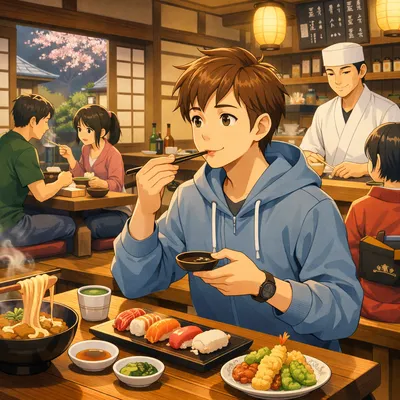
Noodles are a common late-night choice in busy areas. Some shops are designed for quick turnover, which can feel very easy when you’re tired. If you don’t want a heavy meal, consider lighter broths or smaller portions when available.
- Best for: late dinners near stations, post-event meals, cold nights
- Low-stress move: pick a shop with a ticket machine and photos
Izakaya-style pubs: small plates and social energy (but check the fine print)
Izakaya can be fun and tourist-friendly, but they’re not always the simplest option late at night. Some have per-person seating charges, minimum drink expectations, or kitchens that stop earlier than closing time.
- Best for: groups, trying many small dishes, a relaxed evening
- Watch for: last order time, smoking policy, seating charges, payment methods
Late night food in Japan by area: Tokyo, Kyoto, Osaka, and regional cities
Instead of relying on one fixed list of restaurants (hours change), use these area-based patterns to find food quickly.
Tokyo (Shinjuku, Shibuya, Ikebukuro, Ueno): easiest city for late-night eating
- Where it’s easiest: around major station exits, nightlife streets, and busy multi-lane roads
- What you’ll find: late-night noodle shops, chains, pubs, and convenience stores everywhere
- Practical tip: if you want a calm meal, walk 5–10 minutes away from the loudest streets—often you’ll still find late-night chains with shorter lines
Related guide: Staying in a well-connected area makes late nights much easier. Where to Stay in Tokyo for Your First Trip to Japan (Stress-Free Areas).
Kyoto: beautiful evenings, but late-night food can be more limited
- Where it’s easiest: near Kyoto Station and the most central, busy corridors
- What you’ll find: convenience stores everywhere; chains near transit hubs; some late-night noodle options
- Practical tip: plan a “backup dinner” (convenience store or a known late chain) if you’re sightseeing late—Kyoto can get quiet earlier than Tokyo
Osaka: strong late-night culture, especially in entertainment districts
- Where it’s easiest: near major hubs and entertainment areas
- What you’ll find: lots of late-night casual dining, small plates, and noodles
- Practical tip: if you’re traveling with kids or want a quieter atmosphere, look for family restaurants slightly outside the busiest nightlife streets
Regional cities (examples: Fukuoka, Sapporo, Sendai): great late food in the right neighborhoods
Outside the biggest tourist centers, late-night food depends heavily on where you are staying.
- Fukuoka: excellent late-night eating culture in central areas; you’ll often find noodles and casual spots open later than you expect
- Sapporo: strong late-night dining in entertainment districts; dress warmly in colder seasons if you’ll be walking
- Sendai: reliable options near the main station and central covered shopping streets, but fewer choices deep in residential areas
“Don’t mess this up” checklist for tourists eating late at night
- Check last order time, not just closing time.
- Confirm payment methods if you’re low on cash.
- Save two backup options within walking distance.
- Keep your hotel address saved on your phone for the way back.
- If you’re sensitive to smoke, check smoking policy (some late-night places allow it).
- If you have dietary restrictions, choose places with clear ingredient listings or simple dishes.
Late-night transport: how to get there and back safely and calmly
Trains may stop earlier than you expect
In many cities, trains don’t run all night. If you’re out late, plan for one of these:
- Stay within walking distance of your hotel for your late meal.
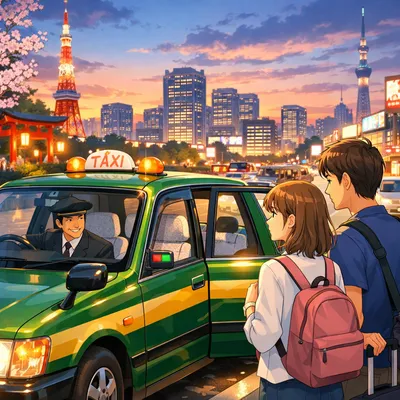
- Take a taxi if you miss the last train (cost can add up, especially across town).
- Choose a late-night area near your accommodation so you’re not stranded far away.
Related guide: If taxis are your backup plan, this will help you budget and avoid surprises. Are Taxis in Japan Expensive? A Simple Guide for Tourists (No Stress).
Late-night safety and comfort tips (no drama, just smart habits)
- Stick to well-lit, busy streets when possible, especially if you’re alone.
- Be cautious with “too friendly” door-to-door invitations in nightlife areas; it’s okay to keep walking and choose a place you found yourself.
- Keep your belongings simple and secure (crossbody bag, zipped pockets).
- Dress for the walk back: evenings can be cooler than expected, and you may walk more if trains aren’t running.
Dietary restrictions & lighter late-night options (practical approach)
Late-night dining is often heavier, but you still have options—especially if you focus on simple, customizable meals.
If you’re vegetarian (or trying to avoid meat/fish)
- Best bet late at night: convenience stores for simple items, or larger chains with clearer menus
- Look for: salads, plain rice, simple noodle dishes without meat toppings, tofu-based sides (availability varies)
- Tip: when you can’t confirm ingredients confidently, choose packaged items with clear labeling
If you’re gluten-free (or avoiding wheat)
- Late-night reality: many noodles and fried items contain wheat
- Lower-risk choices: plain rice-based items from convenience stores, simple grilled items where ingredients are clear (still confirm sauces)
- Tip: treat late-night eating as “keep it simple” time and save more complex dining for daytime when you can research
If you want something lighter at night
- Soups, simple rice items, yogurt/fruit cups, salads, and smaller portions where available
- Split a meal: buy a small item now and plan a fuller breakfast
If you have strict dietary needs, it’s worth planning your “safe” food options before you head out for the evening.
Common mistakes tourists make with late night food in Japan
- Relying on one specific restaurant without a backup (hours can change).
- Assuming card payment at small shops late at night.
- Not noticing last order time and arriving hungry right at closing.
- Going far from the hotel after trains stop, then paying a lot to get back.
- Over-ordering when tired (a simple meal is usually enough).
FAQ: late night food in Japan for tourists
Is it easy to find food after 9 PM in Japan?
In major areas of big cities, yes. Near large stations and nightlife districts, you’ll usually find chains, noodles, pubs, and convenience stores. In quieter neighborhoods and smaller towns, options can drop quickly after 9 PM.
Are restaurants in Japan open 24 hours?
Some are, especially certain chains and some locations in busy districts. However, 24-hour dining is not universal, and hours can change, so it’s best to check “open now” and confirm the posted hours at the entrance.
What’s the most reliable late-night meal if I don’t speak English well (or don’t speak Japanese)?
Convenience stores, large chains with pictures, and places with ticket vending machines are usually the simplest. Translation apps also help a lot for menus and ordering screens.
Is it okay to eat alone late at night in Japan?
Yes—solo dining is common. If you want a calmer experience, choose well-lit areas, keep your route simple, and pick straightforward restaurants like chains or noodle shops near stations.
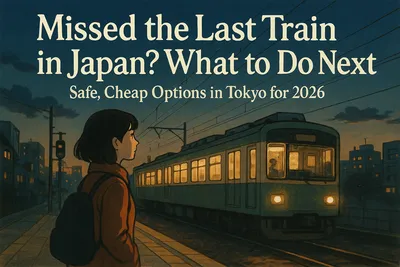
What should I do if I miss the last train and I’m hungry?
First, check walking options near your hotel. If you need to travel, taxis are the usual backup. If you’re planning a late night, it’s smart to decide in advance whether you’re staying within walking distance or budgeting for a taxi.
Related guide: Staying connected makes late-night navigation, translation, and ride-hailing much easier. Pocket Wi-Fi vs eSIM in Japan: Which One Should You Choose?.
Simple late-night plan you can use tonight
- Open your map app and filter for Open now.
- Pin one main choice + two backups within a 10–15 minute walk.
- Check last order and payment methods in reviews or at the door.
- If it’s very late, choose the closest good-enough option and save the “special meal” for tomorrow.
- On the way back, grab a small breakfast item from a convenience store to make the morning easier.
Related guide: For a smoother first trip overall (including nights out), keep this etiquette refresher handy. Japanese Etiquette for Tourists: What Foreign Visitors Should Know (Stress-Free Guide).