You’re excited about Japan… and then the little worry shows up. “What if I can’t read anything?” “What if I get lost in a station?” “What if I accidentally break a rule?”
Don’t worry. You’re not the only one. This is where many first-time visitors get stuck—before they even land.
The good news is that Japan is one of the easier non-English-speaking countries to travel in, especially in big cities and major sightseeing areas. And even in more local places, you can usually get by with a few smart tools, a calm plan, and a little confidence.
This guide walks you through the real anxiety points—transport, hotels, food, manners, crowds—and the practical fixes that make everything feel lighter.
Quick Answer

Yes, you can travel Japan without speaking Japanese, especially in Tokyo, Osaka, Kyoto, and major tourist spots.
In many places you’ll find English signs, multilingual announcements, and staff used to helping international visitors.
For local restaurants, rural buses, and small shops, you’ll rely more on translation apps, maps, photos, and pointing.
If you prepare internet access and save key info on your phone, your trip becomes much easier.
Who This Guide Is For
This is for you if you’re…
- A first-time visitor to Japan who feels nervous about language barriers
- Someone who doesn’t read Japanese and worries about stations and signs
- Traveling with family (kids + luggage = extra stress, right?)
- A planner who wants to avoid confusion at airports, train stations, and hotels
- Worried about manners, crowds, or “doing something wrong”
How “English-Friendly” Is Japan, Really?
Let’s be honest: Japan is not an English-speaking country. You won’t get full conversations everywhere. That part is true.
But in major cities and tourist areas, you don’t need full conversations to travel smoothly. You need clear signs, predictable systems, and a backup plan when you get stuck.
In many cases, you’ll see English on station signs, ticket machines, airport navigation, and popular attractions. On many train lines (and typically on Shinkansen), announcements are often multilingual. This can vary by region and operator, so it’s smart to stay flexible and check the latest official information before you go.
Stress-Free Tip: Aim for “functional travel,” not “perfect language.” Your goal is to get where you’re going, eat well, and enjoy Japan—not to pass a speaking test.
Before You Arrive: The Prep That Makes Everything 10x Easier
1) Get internet access first (seriously)
If you do one thing, do this. Translation, maps, train apps, and digital tickets all get easier with reliable internet.
Many travelers use an eSIM or pocket WiFi. Which is better depends on your phone, your group size, and how much you move around.
Stress-Free Tip: Screenshot your hotel name, address, and a map pin before you leave the airport Wi-Fi.
2) Download these apps before your flight
You don’t want to be hunting for apps while jet-lagged in arrivals.
- Google Maps (navigation, platforms, walking routes)
- Google Translate (camera translation for menus and signs)
- A transit app you like (many travelers use Google Maps alone, and that’s fine)
Stress-Free Tip: In your translation app, download Japanese for offline use. It won’t be perfect, but it can save you in a dead-signal moment.
3) Save “critical info” in one note
This is the tiny boring step that prevents big stress.
- Hotel name + address (and a saved map pin)
- Check-in time and booking number
- Any dietary restrictions or allergies (written clearly in English)
- Emergency contact info
Stress-Free Tip: Keep that note available offline (a screenshot works great).
Airport & Train Stations: “I’m Going to Get Lost” (You Probably Won’t)
Big Japanese stations can feel like a maze. Lots of exits. Lots of lines. Lots of people walking like they’re late to an important meeting.
I know, it sounds confusing. But here’s the thing: stations are designed to move people efficiently, and signage is often better than first-timers expect.
What helps most in stations
- Follow the line name and color (not just the destination)
- Use station numbers when available (they’re a lifesaver)
- Give yourself extra time for transfers in major hubs
Ticket machines and IC cards (the low-stress approach)
In many major stations, ticket machines offer English. But even with English menus, choosing the right ticket can feel oddly high-pressure, right?
A common stress-reducer is using an IC card (like Suica or Pasmo). You tap in, tap out, and you don’t have to calculate fares each time. Availability and setup methods can change, so check the latest official info from the card provider or transit operators before your trip.
Stress-Free Tip: If the station feels overwhelming, step aside. Don’t “panic-walk.” Find a wall, open your map, and reset for 30 seconds.
Trains, Buses, and Taxis Without Japanese: What’s Easy, What’s Not
Trains and subways: usually the easiest
In big cities, trains are the most language-friendly option. Station names are typically displayed clearly, and many lines have announcements in both Japanese and English (and sometimes more languages).
If you can match a platform number and a line name, you’re doing great.
Stress-Free Tip: Save an English route map (or a screenshot of your route) on your phone. When signal drops, you’ll still know what you’re doing.
Buses and rural transport: doable, but plan a bit more
This is where “Japan without Japanese” can feel more real. In smaller towns, bus stops and schedules may have less English. And buses can have different payment systems depending on the area.
The practical fix is simple: use your phone like a safety rope.
- Track your route live on Google Maps
- Have your destination saved as a pin
- If you’re unsure, show the driver your screen with the place name
Stress-Free Tip: If you’re heading somewhere rural, build in a buffer. Missing one bus can mean waiting a while.
Taxis: show, don’t explain
Some taxi drivers speak English, many don’t. So instead of trying to pronounce an address under pressure, just show it.
- Show the destination on a map pin
- Show the hotel name on your booking confirmation
- If possible, have the address written in Japanese by hotel staff (many hotels can help)
Stress-Free Tip: Keep your hotel’s business card (or a screenshot of the address) ready. It’s the “get me home” button.
Hotels: Check-In Without Awkward Conversations
Many hotels and hostels in tourist-heavy areas are used to international guests. Front desk staff often handle check-in in English, or at least with simple phrases and clear processes.
And you can reduce talking even more by preparing your side of things.
How to make hotel communication easy
- Use the hotel’s English booking page when possible
- Write special requests in advance (late check-in, extra pillow, etc.)
- Keep your passport and booking confirmation ready
Your secret weapon: the front desk
Many travelers forget this: your hotel staff can help with more than just keys.
In many cases, they can help you understand transport options, call a taxi, or explain how to ship luggage. Some can help with restaurant bookings too, depending on the hotel and the situation.
Stress-Free Tip: If something feels complicated, ask your hotel first. It’s often faster than trying to solve it alone in a crowded station.
Food: Ordering Without Reading the Menu (Yes, You Can Eat Well)
This fear is so common. You walk into a small restaurant, everyone’s speaking Japanese, the menu looks like a beautiful mystery, and your brain goes blank.
Good news: Japan is one of the easiest places to “order by strategy.”
Easy wins: photos, displays, and pointing
In many tourist areas, you’ll find English menus or photo menus. Even when you don’t, many restaurants have pictures, set meals, or plastic food displays in the window.
You can point and say, “This one, please.” That’s not rude. That’s practical.
Stress-Free Tip: If you see a food display you like, take a quick photo. You can show it inside if the menu is unclear.
Translation apps: great, but don’t expect poetry
Camera translation is incredibly helpful for menus and signs. It’s not always perfect, but it usually gives you enough to make a decision.
Tiny warning: translations can get weird with ingredients and cooking terms. If you have allergies, don’t rely on a “close enough” translation.
Stress-Free Tip: If you have allergies or strict dietary needs, prepare a clear note on your phone in English and ask your hotel to help you communicate it in Japanese if possible.
Convenience stores are your low-pressure backup plan
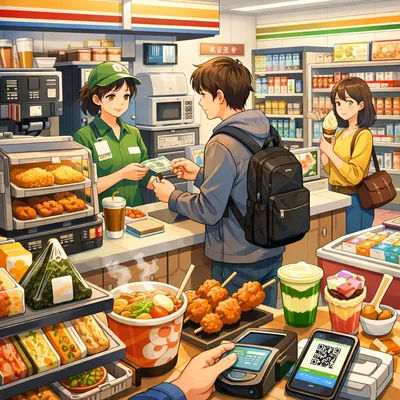
If you’re tired, overwhelmed, or arriving late, a konbini (convenience store) is a gentle option. You can take your time, look at pictures, and avoid the pressure of ordering fast.
Stress-Free Tip: On a hard day, choose “easy food” and reset. You don’t have to be adventurous at every meal.
Manners: The Simple Rules That Prevent 90% of Stress
A lot of visitors worry about offending someone. And honestly, that anxiety can be heavier than the actual manners.
Here’s what matters most: be considerate, be calm, and follow the room.
Quick manners that help everywhere
- Keep your voice lower on trains
- Don’t block walkways (especially in stations)
- Queue patiently and follow the flow
- If you’re unsure, watch what others do first
Stress-Free Tip: You don’t need to be perfect. You just need to be prepared—and polite.
Crowds, Fatigue, and Overwhelm: The Part Nobody Brags About
Japan can be crowded. Stations can be intense. Popular neighborhoods can feel like a moving river of humans.
And when you add jet lag and language anxiety, you can get tired faster than you expected. That’s normal.
Simple ways to make Japan feel calmer
- Start earlier in the day (popular spots get busier later)
- Build “quiet breaks” into your plan (cafes, parks, hotel reset time)
- Avoid peak commute hours with large luggage when possible
Stress-Free Tip: Plan one “anchor” per day (one main activity). Everything else is optional. Sounds dramatic? Maybe. But it helps.
When You Truly Need Help: What to Do Without Japanese
Sometimes you’ll still get stuck. A platform changes. A bus doesn’t show. Your reservation time is misunderstood. It happens.
The trick is having a calm, repeatable method.
Your no-Japanese help script (without the script)
- Show your screen (map pin, booking, photo, ticket)
- Use short English words, not long sentences
- Point, smile, and pause (give people time)
Many people will try to help, even if their English is limited. And if they can’t, they may still guide you to someone who can.
Stress-Free Tip: If you’re lost, don’t wander deeper into the maze. Stop, step aside, and re-check your plan.
Common Mistakes
Totally understandable, but these can add stress fast.
- Arriving with no internet plan and hoping airport Wi-Fi will carry you
- Choosing a hotel far from major transit to save money, then paying in time and energy
- Traveling with big luggage at peak hours and feeling crushed in stations
- Over-planning every minute, leaving no space for crowds, lines, or wrong turns
- Relying on translation apps for allergies instead of preparing a clear note
Stress-Free Tip: The goal is a smooth trip, not a “maximized itinerary.” You’ll enjoy Japan more when you can breathe.
Recommended Options
You don’t need every travel gadget and service. But a few choices can make a no-Japanese trip feel much more relaxed.
eSIM
Best for:
Solo travelers or couples who want simple internet without carrying an extra device, and who have an eSIM-compatible, unlocked phone.
Not ideal for:
Phones that aren’t compatible, or groups who want to share one connection.
My honest take:
It’s often the cleanest setup if your phone supports it. Just make sure you understand activation steps before you fly, and check the provider’s latest instructions.
Pocket WiFi
Best for:
Families or groups who want multiple devices online at once, or travelers who prefer a separate Wi-Fi unit.
Not ideal for:
People who hate carrying and charging extra devices.
My honest take:
It can be very convenient for groups. The main downside is battery management—remember you’re now responsible for one more thing.
Luggage delivery (hotel-to-hotel shipping)
Best for:
Travelers moving between cities who don’t want to drag suitcases through crowded stations.
Not ideal for:
One-night hops where timing is tight, or travelers who need their bag with them the same day.
My honest take:
This can be a game-changer for stress levels. Delivery timing and cut-off times vary by company and location, so check the latest details with your hotel or the delivery service before you commit.
Staying near a major station (even if the room is smaller)
Best for:
First-time visitors who want easy navigation and fewer transfers, especially with luggage.
Not ideal for:
Travelers who strongly prefer quiet residential neighborhoods and don’t mind longer commutes.
My honest take:
For your first trip, convenience often beats charm. A smaller room feels fine when your days are busy—but a complicated commute can drain you.
Stress-Free Checklist
- Set up internet access (eSIM or pocket WiFi) before you arrive
- Download Google Maps and Google Translate (and offline Japanese if possible)
- Save your hotel name, address, and a map pin in one offline note
- Screenshot your first route from the airport to your hotel
- Consider a hotel near a major station for your first city
- Avoid rush hour with large luggage when you can
- Use an IC card if available and convenient for your trip (check latest official info)
- Prepare a clear allergy/diet note if needed (don’t rely on “approximate” translation)
- Plan one main activity per day and leave buffer time
FAQ
Will I be okay in Japan with only English?
In major cities and tourist areas, many travelers do fine with English plus a translation app. In rural areas, you may need more patience and more “showing” (maps, photos, pointing).
What’s the hardest part without Japanese?
Local buses, small restaurants without pictures, and explaining special requests can be the trickiest. Internet access and a translation app help a lot.
Do I need to learn Japanese phrases?
You don’t have to. But learning a few polite basics can make interactions smoother. Even then, simple English + gestures usually works.
Can I use trains confidently without reading Japanese?
Often yes, especially in big cities. Use line names, colors, platform numbers, and station names in English where available. Give yourself extra time for transfers.
What if I get lost in a big station?
Step aside, open your map, and look for the nearest major sign (line name, exit number, platform). If needed, show a staff member your destination on your phone.
Final Thoughts
Traveling Japan without speaking Japanese is not only possible—it’s often much smoother than people expect.
You’ll have moments of confusion, sure. But most problems are “small problems” when you have internet, saved info, and a calm plan.
If you remember one thing, remember this: you don’t need to be perfect. You just need to be prepared. And once you handle your first station and your first meal, your confidence usually kicks in fast.