Planning your first trip to Japan can feel like trying to solve a puzzle while everyone around you is walking fast and somehow already knows the answer. You’re excited, but also a little nervous. What if you can’t read the signs? What if you pick the “wrong” hotel area? What if you drag a huge suitcase through a station and instantly regret everything?
Don’t worry. You’re not the only one. This is where many first-time visitors get stuck, and it’s not because Japan is “too hard.” It’s because Japan has a lot of options, and the options are very efficient at overwhelming you.
This guide is here to make the planning feel simple and calm. You’ll learn a practical order to plan in, how to avoid common stress points (crowds, luggage, confusing stations), and what to prepare before you land so you feel steady instead of scattered.
Quick Answer

To plan a stress-free first trip to Japan, start with what you want to do, then choose a small number of places that match those interests. Avoid peak travel periods if you can, and book popular experiences early (often around a month ahead). Pick hotels based on location and station access, plan your luggage strategy, and save key info (addresses, maps, station exits) offline for the day you arrive.
Who This Guide Is For
This is for you if you’re a first-time visitor who wants Japan to feel fun, not exhausting.
- Travelers who don’t speak Japanese (or speak “hello” and that’s it)
- People who feel anxious about airports, train stations, and getting lost
- Anyone worried about choosing the wrong hotel area
- Families, couples, and solo travelers who want a calmer pace
- Visitors who want to avoid crowds, long lines, and luggage chaos
Start With “What,” Not “Where” (The Planning Order That Reduces Stress)
Here’s the thing. Many people plan Japan like this: “Tokyo, Kyoto, Osaka… because that’s what people do.” And then they try to force their interests into that route.
A calmer approach is the one often recommended in beginner planning guides: start with WHAT you want to do, then decide WHERE, then WHEN, then HOW you’ll move around.
Step 1: What do you actually want to do?
You don’t need a perfect list. Just pick 3–5 “must-feel” experiences. Think in categories:
- Temples and traditional neighborhoods
- Food adventures (street food, sushi, ramen, omakase)
- Onsen and ryokan time
- Anime, games, character cafés, shopping
- Nature, gardens, seasonal scenery
Once you know your “why,” the itinerary gets easier fast.
Stress-Free Tip: Write your top 3 priorities on one note in your phone. If your plan starts getting messy, come back to that note and simplify.
Step 2: Where should you go for those interests?
Now you match interests to places. This is where you keep things small and doable.
For many first-time visitors, a simple combo works well: one big city base (often Tokyo) plus one cultural area (often Kyoto), and maybe one extra place if time allows. The exact cities depend on your interests, but the principle is the same: fewer bases, less repacking, fewer “we’re late” moments.
Stress-Free Tip: If your trip is around a week, try to keep it to two main bases. You can still do day trips without moving hotels constantly.
Step 3: When should you go (and what to avoid)?
Japan has beautiful seasons. It also has very real crowd seasons. And yes, it affects stress levels.
Many travel resources warn that Golden Week, New Year, and the Obon holiday period tend to be especially busy. Spring cherry blossom season can also be crowded in popular spots. When demand spikes, hotels fill faster and trains can be harder to book.
If you can travel outside peak periods, you’ll often get an easier, calmer experience. If you can’t, you can still plan smart—just book earlier and expect more people.
Stress-Free Tip: If your dates fall in a major holiday period, treat it like “high season mode”: book hotels and long-distance trains earlier, and build in extra buffer time.
Step 4: How will you move around?
This is where many first-time visitors panic. Trains, subways, multiple companies, multiple lines… I know, it sounds confusing.
But you don’t need to master everything. You just need a simple system:
- Use an IC card (like Suica or Pasmo) for local trains and subways in most big areas.
- Use the Shinkansen for longer city-to-city travel when it makes sense.
- Use navigation apps for routes, platforms, and transfers.
If you’re considering a rail pass, check the latest official details and do the math based on your exact route. Pass rules and prices can change, so it’s worth verifying before you buy.
Stress-Free Tip: Plan your trip around fewer long transfers. A “simple route” often feels better than a “perfect route.”
Choose Your Trip Pace: The Secret to Not Getting Burned Out
Japan is exciting. That’s the problem. You’ll want to do everything, every day, from morning to night.
But crowds, walking, stairs, and stations add up. Many first-time visitors feel great on day 1… and then hit a wall around day 3 or 4.
A realistic daily structure
Try this:
- One “big” anchor per day (museum, shrine area, theme experience)
- One “small” flexible thing (shopping street, café, viewpoint)
- One calm break (park, garden, long lunch, early night)
This makes your itinerary more resilient when you’re tired, it rains, or a place is unexpectedly packed.
Stress-Free Tip: Add a “nothing booked” half-day every 3–4 days. Sounds dramatic? Maybe. But it helps.
Booking Strategy: What to Reserve Early (and What Can Wait)
Japan has a growing “reserve ahead” culture for certain attractions and experiences. Many travelers now find that popular activities, special time slots, and some observation decks are easier if booked in advance.
In some cases, booking at least a month ahead is recommended for high-demand experiences. This can vary by season and location, so always check the latest official information before you go.
Good candidates for early booking
- Popular experiences with timed entry
- Special meals (especially limited-seat dining)
- Seasonal events and peak-season activities
- Hotels in high-demand areas during busy periods
What you can often decide later
- Most casual restaurants
- Many neighborhood temples and parks
- Shopping time
Stress-Free Tip: Book the “hard to get” items first, then fill the rest with flexible plans. Your future self will thank you.
Hotel Planning: Location Beats Everything (Yes, Even the Room)
Let’s be honest. A beautiful hotel room is nice. But a hotel that’s a pain to reach will quietly drain your energy every single day.
Beginner travel guides often emphasize this: choose hotels based on location—especially station access, neighborhood vibe, and how easy it is to get to your main sights.
What “good location” really means in Japan
- Walkable to a station you’ll actually use (not just “technically nearby”)
- Easy line access to your key areas (fewer transfers)
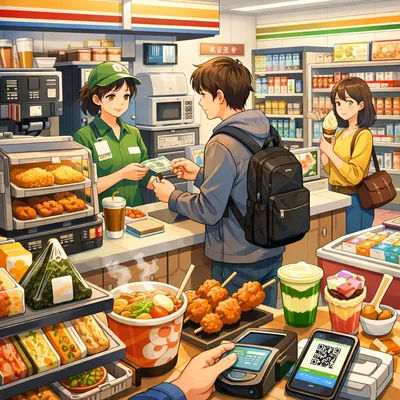
- Food and convenience nearby (a konbini close to your hotel is a small miracle)
Tiny warning: hotel pricing is often per person
This surprises first-timers. In Japan, hotel prices are often set by number of guests, not just “per room.” So when you book, make sure the guest count is correct. Otherwise you can run into awkward check-in adjustments.
Stress-Free Tip: Before you confirm, double-check: guests, bed type, smoking/non-smoking, and check-in time.
Luggage: The Fastest Way to Turn a Good Day Into a Hard Day
You may picture Japan as smooth and easy (and often it is). But if you’re hauling a large suitcase through a busy station at rush hour, the vibe changes quickly.
Many resources for first-time visitors highlight luggage planning as a major stress reducer. Big bags can be inconvenient on trains, in narrow sidewalks, and in stations with lots of stairs.
Your three main options
1) Pack lighter than you think
If you remember one thing, remember this: Japan is easy to shop in. You don’t need to bring your entire closet.
2) Use luggage delivery
Luggage delivery services are widely discussed in official tourism resources (including JNTO) as a practical option. You can often send bags between hotels so you can travel with a small day bag.
Details vary by company, hotel, and timing, so check the latest official information before you go and confirm cut-off times with your hotel.
3) Use a taxi strategically
No, you’re not “failing at Japan” if you take a taxi with luggage. Sometimes it’s the calm choice, especially after a long flight.
Stress-Free Tip: Plan one “easy transfer” moment—like luggage delivery or a taxi—on your arrival day. Arrival day is not the time to prove your toughness.
Airport and Station Anxiety: How to Not Get Lost (Even If You Do Get Lost)
A common fear is: “What if I can’t find the right train?” Totally understandable.
Japan’s airports and stations can be large, and the signs can feel like a lot at once. The good news is that you can reduce stress with a few simple habits.
Save key info offline before you go underground
One practical planning tip from beginner guides is to save your key info as screenshots:
- Hotel name, address, and phone number
- A map screenshot and a pin saved in your map app
- The nearest station and the best exit (if you know it)
- Your arrival-day route notes
Why? Because signal can be unreliable underground, and you don’t want to be standing in a station trying to load a map while people flow around you.
Stress-Free Tip: Keep one “Arrival Album” in your phone photos with all screenshots. It’s simple and it works.
How to handle stations without spiraling
If you feel lost, do this:
- Stop walking.
- Step aside so you’re not blocking traffic.
- Check your route calmly.
- If needed, ask staff or go to an information counter.
Tiny warning: Don’t stop at the top of stairs or right in front of ticket gates. This is the classic “first-timer freeze,” and it causes instant stress.
Stress-Free Tip: When in doubt, aim for “not in the way.” Then you can think.
“But I Don’t Speak Japanese…” Good News: You Don’t Need to Be Perfect
This worry is so common. And it makes sense. Japan feels different, and you want to be respectful.
In major tourist areas, you’ll often find helpful signage and staff used to assisting visitors. But even when English is limited, simple communication goes a long way.
What helps most
- Have key info written down (hotel name, destination, reservation details)
- Use translation apps for short phrases
- Pointing + polite tone is surprisingly effective
You don’t need to be fluent. You just need to be prepared.
Stress-Free Tip: Save your hotel address in your notes app and in your map app. If you need help, you can simply show it.
Basic Manners That Keep You Out of Trouble (Without Overthinking)
Worried about accidentally being rude? You’re not alone. The good news is that the basics are simple.
Many public etiquette guides highlight a few core ideas: keep your voice down on public transport, don’t block pathways, and be mindful about trash.
The “easy mode” manners list
- On trains: speak quietly and keep your phone use discreet.
- In stations: don’t stop in the middle of the flow.
- Escalators: follow local patterns (it varies by region), or just stand where others stand.
- Trash: carry a small bag for wrappers if you can’t find a bin.
Stress-Free Tip: If you’re unsure, copy the room. Japan is one of the easiest countries for “follow the crowd” learning.
Common Mistakes (Totally Understandable, But Try to Avoid These)
No judgment here. These are very normal first-time mistakes.
- Trying to visit too many cities and spending half the trip in transit.
- Booking a hotel based on price only, then realizing the commute is exhausting.
- Not booking key experiences early during peak seasons, then scrambling later.
- Arriving with huge luggage and no plan for stairs, crowds, or storage.
- Relying on memory for hotel addresses and routes instead of saving screenshots.
Stress-Free Tip: Build your plan around comfort first. The “perfect itinerary” is useless if you’re too tired to enjoy it.
Recommended Options (Practical Tools That Can Reduce Stress)
You don’t need every travel gadget. But a few choices can make your trip noticeably smoother.
Internet access (eSIM or pocket WiFi)
Best for:
Anyone who wants reliable maps, train routes, translation help, and easy communication while out and about.
Not ideal for:
Travelers who hate managing devices or charging extra batteries (pocket WiFi can add one more thing to carry). Also, eSIM isn’t available on every phone model.
My honest take:
Having stable internet is one of the biggest stress reducers for first-timers. Choose the option that fits your style: eSIM for simplicity, pocket WiFi for sharing across multiple devices. Check compatibility and the latest plan details before you buy.
Luggage delivery between hotels
Best for:
Travelers doing multi-city trips, families, and anyone with large suitcases who wants easier station days.
Not ideal for:
One-base trips, or travelers who need access to everything in their suitcase every day.
My honest take:
This is a very “Japan solves problems” service. It can turn a stressful transfer day into a normal day. Just confirm timing, costs, and what your hotel can arrange, and check the latest official information before you go.
Hotels near a major station (but not inside the chaos)
Best for:
First-time visitors who want simple navigation and fast access to multiple areas.
Not ideal for:
Travelers who are very sensitive to noise and crowds and choose the busiest station area without checking the surroundings.
My honest take:
Location is the best “upgrade” you can buy in Japan. You don’t need luxury. You need convenience.
Travel insurance
Best for:
Anyone who wants peace of mind for medical issues, cancellations, or lost baggage.
Not ideal for:
People who already have comprehensive coverage through existing policies (but check the fine print).
My honest take:
It’s not exciting, but it’s calming. Compare plans and make sure it matches your trip style.
Stress-Free Checklist
- Pick 3–5 “must-do” experiences first (food, temples, onsen, anime, nature).
- Limit your bases to reduce repacking and long transfers.
- Avoid peak travel periods if possible (Golden Week, New Year, Obon), or book earlier if you can’t.
- Reserve high-demand experiences early (often around a month ahead, depending on season).
- Choose hotels based on location and station access, not just price.
- Double-check hotel bookings for correct number of guests.
- Decide your luggage plan: pack lighter, use delivery, or plan a taxi moment.
- Set up internet access before arrival (eSIM or pocket WiFi) if you rely on maps.
- Screenshot your hotel address, map, and nearest station exit for offline access.
- Learn “easy mode” manners: quiet trains, don’t block walkways, carry a small trash bag.
FAQ
How many cities should I visit on my first trip to Japan?
For a calmer trip, many first-time visitors do best with one or two main bases, plus day trips. More cities usually means more packing and transit stress.
Do I need to speak Japanese to travel in Japan?
No. You’ll be fine with basic preparation: saved addresses, a translation app, and a polite, patient approach. You don’t need to be perfect.
When should I book hotels and popular attractions?
Earlier is safer in busy seasons. For high-demand experiences, booking around a month ahead is often recommended, but always check the latest official details.
What’s the easiest way to handle luggage in Japan?
Pack lighter if you can, and consider luggage delivery between hotels for multi-city trips. It reduces stress on transfer days.
How do I avoid getting lost in big stations?
Save screenshots of your route and hotel info, step aside when checking directions, and don’t be afraid to ask station staff. A calm pause beats a rushed wrong turn.
Final Thoughts
Planning a first trip to Japan doesn’t have to feel like a test. You’re allowed to keep it simple. You’re allowed to rest. And you’re definitely allowed to choose convenience over “the most optimized route.”
A little preparation—what you want to do, a realistic pace, a smart hotel location, and a luggage plan—goes a long way. You don’t need perfect planning. You just need enough planning to feel steady when you land. And yes, you can do that!