Tax-free shopping in Japan is convenient—but the “bag rules” and the 2026 change can feel confusing, especially if you’re shopping for snacks, cosmetics, or souvenirs. This guide focuses on what travelers actually want to know: do you need a special sealed bag, can you open it, and what will you do at the airport after the November 2026 shift to refunds.
Quick answer (bag rules in plain English)
- Before November 2026 (current system): Some items—especially consumables like food and cosmetics—may be placed in a store-sealed bag. If sealed, don’t open it in Japan. Keep your purchase linked to your passport record.
- From November 2026 (new system): The plan is to move from “instant tax-free at the store” to paying tax at purchase and getting a refund at the airport if you qualify. That also means the old “sealed consumables bag” approach is expected to be less central to the process.
- In both systems: You generally need to take the items out of Japan within the allowed time period, and you may need to show items and purchase records at departure.
Important: Implementation details can change. Always double-check the latest official guidance closer to your travel dates and follow the instructions your store gives you.
Step-by-Step: How Tax-Free Shopping Works in Japan (At the Store)
To ensure a smooth transaction and avoid issues with sealed tax-free bags, follow these simple steps at the register:
- Show Your Physical Passport: Present your original passport (with the temporary visitor entry stamp) at the tax-free counter before payment. Photocopies or digital photos are generally not accepted.
- Separate Consumables and General Goods: Keep items like snacks, cosmetics, and medicine separate from clothing or electronics if you plan to use non-consumables during your trip.
- Check the Sealed Bag Before Leaving the Counter: Ensure the shop staff seals consumable items in the official tamper-evident plastic bag. Do not tamper with or tear the bag seal while in Japan.
- Keep Digital Purchase Records Linked: Your tax-free purchase data is linked digitally to your passport record for National Tax Agency verification at departure.
Consumables vs. General Goods: Can You Combine Them?
Understanding the difference between tax-free item categories prevents accidental bag-opening mistakes:
- Consumables (Food, Drinks, Cosmetics, Medicine): Packed in sealed bags and must remain unopened until you leave Japan. If opened and consumed in Japan, you are technically liable for the 10% consumption tax upon exit.
- General Goods (Clothes, Shoes, Bags, Electronics): Do not require sealed bags. You can use these items in Japan immediately during your trip, provided you take them with you when departing.
- Combined Purchases: If you combine general goods and consumables to meet the 5,000 yen tax-free minimum threshold, all items will be placed into a sealed bag together and cannot be opened in Japan.
Japan tax-free shopping bag rules explained (what tourists should actually do)
When people say “tax-free shopping bag rules,” they usually mean one of these practical questions:
- Do I need my items placed in a special bag?
- If the store seals the bag, can I open it?
- Can I use the item in Japan?
- Do I need to keep receipts?
- Will airport staff check my bags?
Do tourists still need sealed bags after November 2026?
Under the planned November 2026 system, the key change is that you’ll typically pay the tax at the store and then request a refund at the airport when leaving Japan (if you meet the requirements). Because the refund decision happens at departure, the old idea of “sealed bags to prevent use in Japan” is expected to matter less.
That said, stores and airports may still have handling rules (and some product categories may still come with “do not open before departure” instructions). The safest approach is simple: if a store seals something for tax-free purposes, treat it as ‘do not open in Japan’ unless the store clearly tells you otherwise.
Can you open the bag or use the item before leaving Japan?
As a practical traveler rule:
- If your items are in a sealed tax-free bag (common for consumables): assume you should not open the bag in Japan. Opening it can cause problems if you’re asked to confirm the items at departure.
- If your items are not sealed (often general goods): you can usually use them, but remember the overall requirement is that tax-free purchases are intended for export (taking them out of Japan). If you won’t be taking it out, don’t count on tax-free eligibility.
For the November 2026 refund model, the most important behavior becomes: keep the items and proof of purchase accessible until you’ve completed the airport refund steps.
What happened to the old “consumables packaging” rule?
Japan’s older tax-free approach treated “consumables” differently from “general goods,” and stores often used special packaging (including sealed bags) for consumables to discourage use in Japan.
From November 2026, the system is expected to shift toward airport-based refunds, which changes how compliance is handled. Even so, you may still see stores separate items by category, provide extra packaging, or give you specific instructions. Follow the store’s instructions first—they’re the ones processing your transaction.
What tourists can buy tax-free in Japan (and what changes in 2026)
Tax-free eligibility depends on your visitor status, what you buy, and the store’s participation. The big 2026 change is less about “what exists” and more about when you get the tax benefit: immediate tax exemption at checkout vs. refund later at the airport.
Consumables vs. general goods under the new system
| Category | Typical examples | What to expect (practical) |
|---|---|---|
| Consumables | Snacks, sweets, cosmetics, toiletries | May be treated more strictly. If sealed/packed for tax-free, don’t open before departure. Keep items easy to show at the airport if asked. |
| General goods | Clothing, bags, electronics, souvenirs | Often not sealed. Still, you may need to show items at departure for the refund process after Nov 2026. |
Food, cosmetics, medicine, alcohol, electronics: what to watch for
- Food and snacks: Often treated as consumables. If sealed for tax-free, keep sealed until you leave Japan.
- Cosmetics and skincare: Commonly tax-free eligible at participating stores. Packaging rules may apply under the current system; under the new system, keep items and purchase records for airport refund.
- Over-the-counter medicine: Rules and store handling can vary. If you’re unsure, ask the cashier whether it’s being processed as tax-free and whether it must remain unopened.
- Alcohol: May be eligible depending on the store and conditions. Also remember your home country may have duty/tax allowances on arrival.
- Electronics: Often high-value and common for tax-free. Keep the receipt and consider packing so you can show the item if requested at departure.
Reminder: Not every store offers tax-free processing, and minimum purchase thresholds and procedures can apply. Check the store signage and ask at checkout.
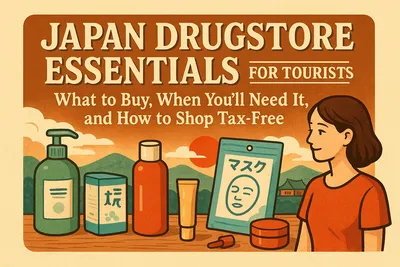
Related guide: Japan Drugstore Essentials for Tourists (2026): What to Buy, When You’ll Need It, and How to Shop Tax-Free.
What Happens at the Airport Departure & Customs Check?
Here is what to expect when leaving Japan with tax-free sealed bags:
- Scanning the Customs Reader: At security/customs, scan your passport at the automated customs reader. The system checks your digital purchase log against tax records.
- Packing Bags in Checked Luggage vs. Carry-On:
- Liquids & Creams (Cosmetics, Sake, Sauces): Must be placed in checked baggage due to international flight liquid restrictions (100ml rule). Inform the airline check-in desk if customs requests an inspection.
- Valuables & High-Value Items: Keep luxury goods or small electronics in your carry-on bag in case customs officials ask to inspect them at departure.
Airport refund process step by step (November 2026 and after)
The key mindset shift is this: after November 2026, many travelers should expect a workflow like pay tax now → prove export at departure → receive refund. Exact counters, machines, and app support may vary by airport and airline, so build in buffer time.
1) What to do at the store
- Bring your passport (or the required traveler identification the store requests). Many stores won’t process tax-free without it.
- Confirm how the benefit is handled: “Is this an immediate tax-free purchase, or a refund at the airport?” (This matters during the transition period.)
- Keep your purchase record: Whether it’s a receipt, a digital record, or both, don’t toss it.
- Ask about bag/packaging instructions: If they seal consumables, treat it as “do not open.”
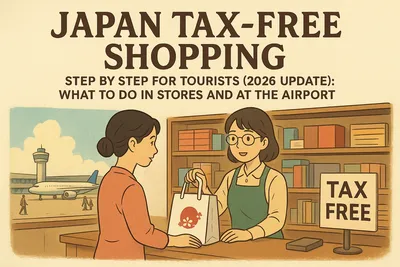
Related guide: Japan Tax-Free Shopping Step by Step for Tourists (2026 Update): What to Do in Stores and at the Airport.
2) What to do at the airport before departure (customs + security planning)
- Arrive earlier than usual if you plan to claim a refund, especially at busy airports and peak seasons.
- Keep items accessible: Don’t bury everything in checked luggage unless you’re sure the airport process doesn’t require inspection of the physical goods. When in doubt, keep refundable items in carry-on until you finish the refund steps.
- Follow the airport’s order of operations: Some airports require you to complete customs confirmation before you check bags; others may differ. Look for signs for tax-free refund/customs or ask staff.
- Be ready to show: passport, proof of purchase, and sometimes the items themselves.
Related guide: How to Get from the Airport to Your Hotel in Japan Without Stress (First-Timer Guide).
3) How refunds are received (and how long they take)
Refund methods depend on the system and operator. Common possibilities include:
- Refund to the same card you used in-store
- Cash-style refund at a counter (availability varies)
- App or kiosk processing in some locations
Timing can vary—from same-day processing to later card posting—so don’t plan on using the refunded amount immediately for airport expenses. If something doesn’t match your expectation, keep all documentation and ask the refund desk what timeline applies.
Common mistakes that can cancel tax-free eligibility (and how to avoid them)
Most tax-free problems happen because of small, avoidable issues. Here are the big ones tourists run into.
Opening a sealed tax-free bag (or mixing items)
- What happens: If consumables were sealed for tax-free purposes and you open them, you may lose eligibility if inspection is required.
- Do this instead: If you want to use the item in Japan, consider buying a separate non-tax-free version for immediate use, and keep the tax-free one sealed for export.
Missing the time limit to take items out of Japan
- What happens: Tax-free purchases are intended to leave Japan within the allowed timeframe. If you stay too long or don’t export the items, you may not qualify.
- Do this instead: If you’re on a longer stay or unsure, confirm eligibility at checkout and check the latest official rules for your travel status.
Not meeting the minimum purchase threshold
- What happens: If your purchase doesn’t reach the minimum amount required by the system/store rules, it won’t be processed tax-free.
- Do this instead: Ask before they ring you up: “What’s the minimum for tax-free today?”
Wrong traveler status or missing passport
- What happens: Some residents, workers, and certain long-stay visitors may not qualify. And many stores require your physical passport at the time of purchase.
- Do this instead: Carry your passport while shopping, and if you’re not a short-term visitor, confirm whether you’re eligible before you start filling a basket.
Related guide: Japan Tax-Free Shopping Mistakes First-Time Visitors Make (And How to Avoid Them).
Best store types for tax-free shopping (and what the experience is like)
Where you shop affects how smooth tax-free processing feels.
Drugstores and beauty shops
- Great for: cosmetics, skincare, snacks, toiletries
- Bag rule note: these are often consumables, so you’re more likely to see sealed packaging under the current system.
Related guide: Japan Drugstore Essentials for Tourists (2026): What to Buy, When You’ll Need It, and How to Shop Tax-Free.
Department stores and electronics retailers
- Great for: fashion, gifts, premium items, electronics
- What to expect: dedicated tax-free counters; you may need to take your items/receipts to a separate desk.
Convenience stores and supermarkets: what to expect
- Great for: quick snacks and small souvenirs
- What to expect: not all locations offer tax-free; minimum thresholds may be hard to reach unless you’re stocking up.
Stress-free checklist: tax-free shopping bag rules + airport refund readiness
- Bring your passport when shopping.
- Ask the store: “Is this processed tax-free now, or refunded at the airport?”
- If the store seals a bag for tax-free, don’t open it in Japan.
- Keep receipts/purchase records together (a small envelope works well).
- Pack so you can show items at departure if requested (especially after Nov 2026).
- Arrive early at the airport if you plan to claim a refund.
FAQ: Japan tax-free shopping bag rules for tourists
What happens if I accidentally open the sealed tax-free bag in Japan?
If you break the seal or open the bag while still in Japan, the items lose their tax-exempt status. If customs officials inspect your goods at airport departure and find opened consumables, you may be required to pay the 10% consumption tax on those items.
Can I put tax-free sealed bags into my checked luggage?
Yes. Liquids, gels, and creams over 100ml (such as skincare products, sake, or cosmetics) must go into your checked luggage due to airline security rules. Simply check your bags as usual and scan your passport at the customs desk past airport security.
Do I need to keep receipts for tax-free items?
While purchase records are stored digitally on your passport, it is always a smart idea to keep paper receipts in your wallet until you safely clear departure customs at the airport.
Can someone else carry my tax-free items out of Japan for me?
No. Tax-free items are strictly tied to the passport holder who purchased them. The buyer must carry the items out of the country personally upon departure.
Will airport customs physically inspect every sealed bag?
Customs inspections are usually conducted on a random or spot-check basis. However, high-value purchases or large quantities are more likely to be flagged for verification at the airport customs counter.
Do I have to put tax-free items in my carry-on?
Not always, but it’s often the least stressful choice if you think the airport may ask to see the items. If you must check them, confirm the airport process and allow extra time in case you need to rearrange bags.
If I buy tax-free at multiple stores, do I need multiple sealed bags?
Under the current system, each store follows its own process, and consumables may be sealed per store. Don’t combine sealed bags or open them. Under the November 2026 refund approach, the focus shifts to purchase records and export confirmation, but store-by-store handling may still differ.
Can I throw away boxes and packaging?
If you may need to show the item at the airport, keeping it identifiable (and easy to match to a receipt) helps. For higher-value items, consider keeping the box until you’ve completed departure procedures.
Is “duty-free” the same as “tax-free” in Japan?
They’re related but not identical concepts. “Tax-free” generally refers to Japan’s consumption tax being exempted or refunded for eligible visitors, while “duty-free” can involve different taxes and is often used for airport shops. When in doubt, ask the store staff what’s being waived or refunded.
What if I forget to do the airport refund steps?
If the new system applies and you don’t complete the required departure steps, you may not receive the refund. If you realize late, ask airport staff as soon as possible—options depend on the airport and timing.
Related guide: First Time in Japan? 15 Things to Know Before You Go (Stress-Free Tips).
Related guide: Japan Travel Apps You Should Download Before Your Trip (First-Timer List).
Final tip: Treat tax-free shopping like a small “mini-process,” not just a discount. If you keep items organized, follow any sealed-bag instructions, and plan a little extra airport time, it’s usually smooth—even for first-time visitors.